Why Your Cafeteria Checkout is Secretly Losing an F1 Race at Sepang
When trackside action takes over the Sepang International Circuit, the attention usually centers on 1,000-horsepower engines, radical aerodynamics, and drivers pulling 5G through Turn 15. But peel back the spectacle, and Formula 1 is not really a sport about cars. It is a masterclass in extreme data engineering, throughput optimization, and eliminating wasted milliseconds.
Strangely enough, that is identical to the daily battle happening across campus cafeterias, office food courts, and self-service lunch lines every single afternoon.
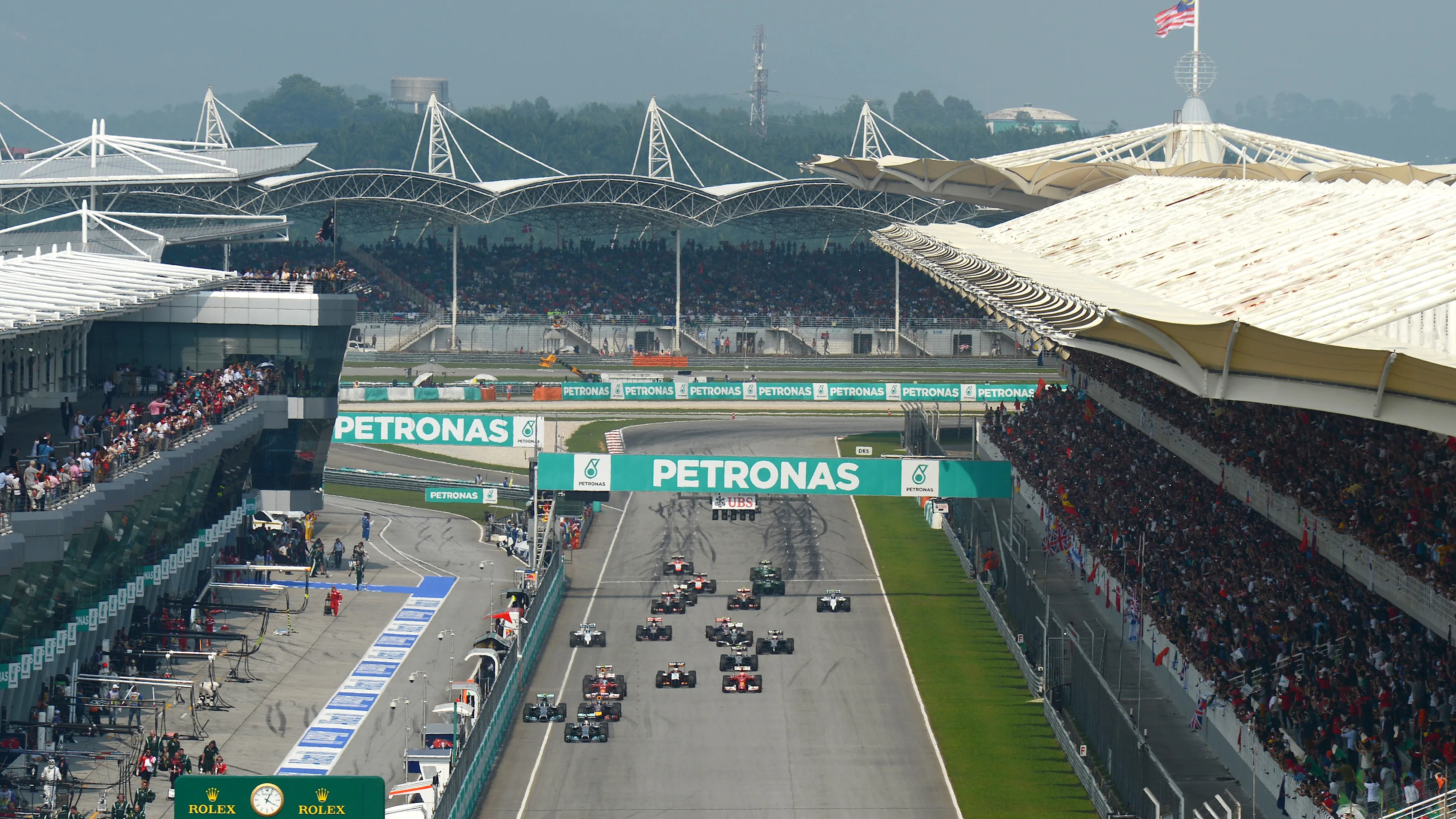
Here is what running a high-volume point-of-sale system has in common with a grand prix at Sepang—and how computer vision is fixing the biggest bottleneck on the track.
The Checkout Counter is a 2.0-Second Pit Stop
In modern motorsport, a routine four-tyre pit stop takes around two seconds flat. If a wheel nut sticks and the crew takes 4.5 seconds, the driver drops three track positions. The strategy unravels instantly.
In an F&B outlet or busy cafeteria, the counter is the pit lane.
When a hungry customer steps up to pay, every friction point extends their stop. A sluggish touchscreen, a lagging card terminal, or manual price guessing feels agonizing. Shaving seconds off individual stops turns an overwhelmed queue into a continuous, steady flow. In both arenas, cycle time determines whether you clear the grid or trigger a pileup.
The Nasi Campur Problem: When the Pit Crew Freezes
Now look at the quintessential Malaysian food line: Nasi Campur.
Unlike buying a can of soda with a standardized barcode, every single plate of Nasi Campur is custom-built. One plate has half a scoop of rice with ayam goreng, sambal sotong, and sayur kangkung; the next has kuah campur, telur masin, and ikan keli.
Traditionally, the cashier has to visually inspect the plate, manually decipher the portions, calculate the total price in their head, and punch in individual line items on a keypad. That process takes anywhere from 20 to 45 seconds per diner. During a 12:30 PM lunch rush with 60 students or office workers waiting in line, the counter turns into a massive multi-car gridlock.
Bibora Vision AI: Turning Food Scanning into Telemetry
This is where Bibora Vision AI steps onto the pit wall.
Instead of relying on human guesswork and slow keyboard inputs, Bibora Vision AI uses real-time computer vision hardware right at the self-checkout scanner. The diner simply slides their tray or plate under the camera. In a fraction of a second, the AI vision model detects and classifies the items on the plate—differentiating the ayam goreng from the ikan bakar, factoring in portion variables, and populating the itemized bill automatically.
The result? The entire pricing and checkout process drops from 30 seconds down to under three seconds.
Diners tap their card or scan a DuitNow QR on the integrated terminal, grab their receipt, and clear the lane. Just like an F1 car bolting out of its pit box the moment the wheel guns disengage, the customer is through before the next plate even hits the tray guides.
Traffic Bottlenecks and Server Lag
When tens of thousands of fans pack the grandstands at Sepang, local cellular networks buckle under dense traffic. Teams cannot afford to wait on flaky cloud connections to read car sensors; critical computation happens directly at the edge on pit wall servers.
The same rule applies to peak lunch hours. If a food scanner relies entirely on distant cloud API roundtrips for every plate detection, a spotty internet hiccup freezes the entire operation. Modern point-of-sale architecture demands edge inference, local caching, and resilient hardware interfaces.
Telemetry Beats Guesswork
An F1 car carries hundreds of onboard sensors monitoring tyre surface temperatures, brake wear, and fuel flow in real time. Race strategists do not wait for the car to limp back to the paddock to realize a tyre is blistering; they spot the trend laps in advance.
A computer-vision-powered POS setup functions as kitchen telemetry. Instead of waiting for closing time to tally cash registers, live dish detection streams operational data straight to kitchen managers. You see which dishes are burning out faster than kitchen prep speed, track real-time revenue per minute, and balance self-checkout lanes dynamically before customer patience runs out.
The Finish Line
Next time you watch a pit crew pull off a sub-two-second tyre swap on pit lane, take notes. They achieved that speed by stripping away every redundant motion, training for precision, and automating the friction points.
Whether you are managing race pace on the asphalt at Sepang or deploying Bibora Vision AI across a bustling cafeteria line, the objective never changes: reduce drag, eliminate latency, and never let the machine stall under pressure.