Yesterday marked the close of the IIUM Entrepreneurship & Innovation Challenge (IEC 2026). Gathered inside the Glass Hall at Pulse Grand Hotel, Presint 1, Putrajaya, the setting felt appropriately high-stakes—panoramic glass walls surrounding days of intensive pitching, business model breakdowns, and sharp critiques from judges, mentors, and fellow founders.
Yet, looking out across the room after our turn under the lights, one reality hit harder than any slide deck: an idea is only as good as the friction it removes in the real world.
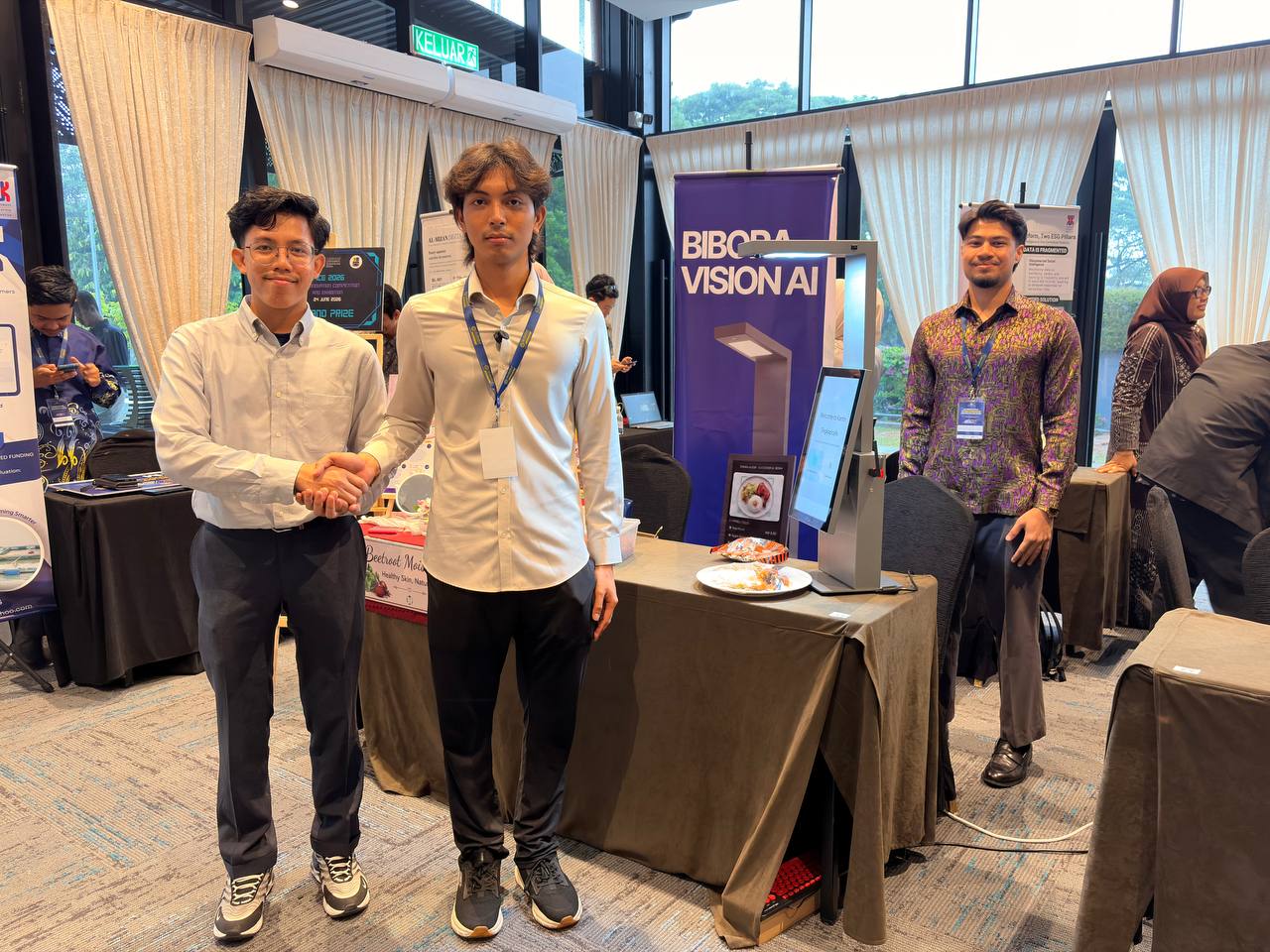
When we stepped up to the stage in the Glass Hall to showcase Bibora Vision AI, we brought more than tech buzzwords. We brought a concrete answer to a daily Malaysian headache that every student, worker, and cafeteria operator knows intimately: the dreaded 12:30 PM Nasi Campur bottleneck.
However, the defining lesson of the competition didn't come from the elegance of our slides. It came from a humbling moment during the Q&A.
When Passion Crosses into the Offensive
Every founder falls in love with their problem. When you spend months engineering edge pipelines, tuning computer vision models, and obsessing over sub-three-second transaction speeds, you naturally become fiercely protective of the solution.
During our pitch, that conviction tipped over into stubbornness.
When the judges pushed back, expressing deep skepticism about whether traditional, cash-heavy Nasi Campur stalls would ever adopt high-tech hardware, we didn't just defend our thesis—we went on the offensive. We fought too aggressively to prove that we were right and the panel was wrong.
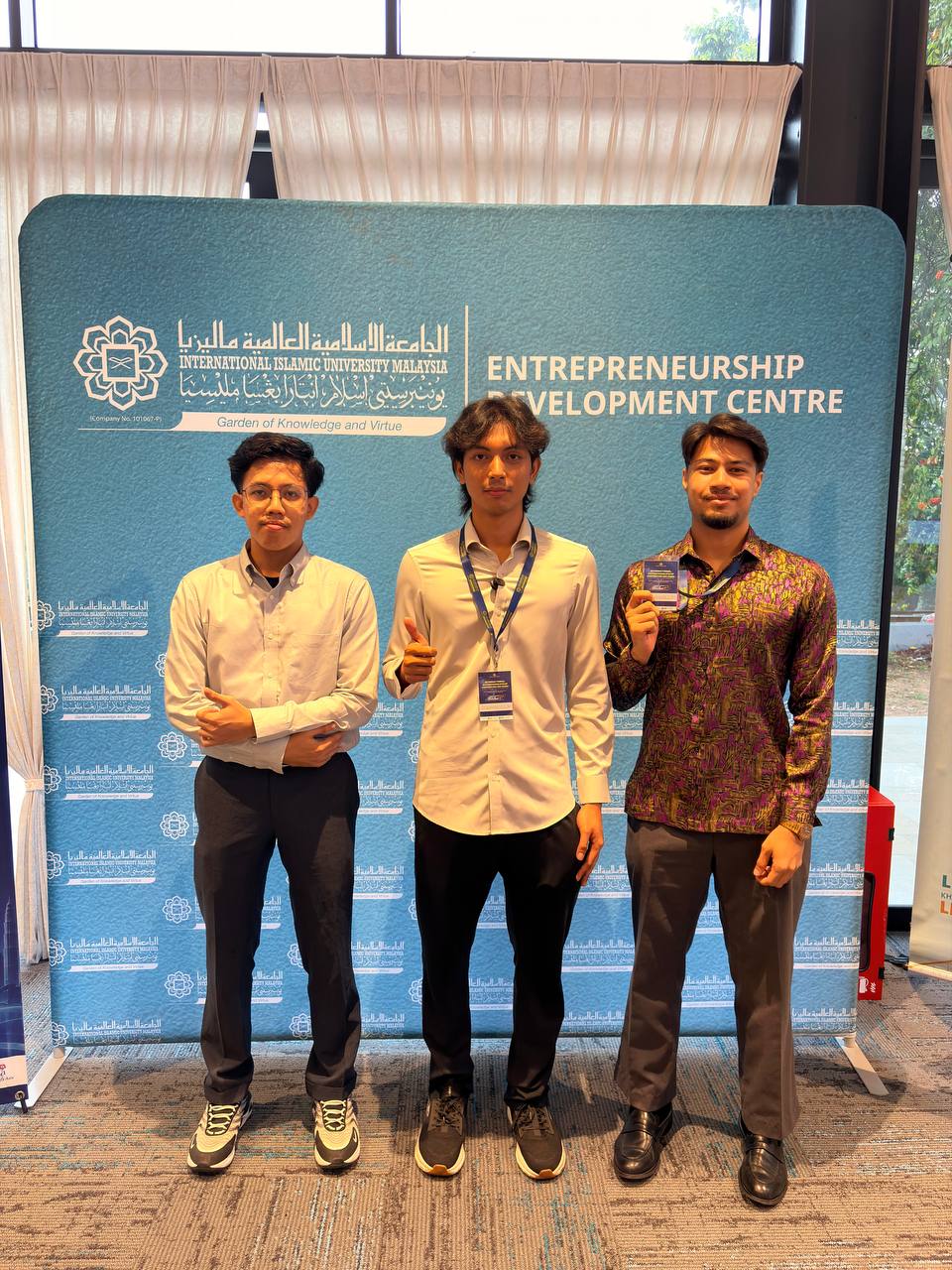
The shift in the room was palpable, and the judges visibly noticed our combative posture. Instead of receiving their pushback as valuable market signal, we treated it like a debate to be won. At one point, watching the tension escalate across the table, I reached for a piece of paper, ready to slide a note to my teammate with five words:
"Just say thank you."
The Art of Staying Silent
That moment on the Glass Hall floor was our sharpest learning curve of IEC 2026.
In startup pitching, you cannot bludgeon an audience into belief. A pitch is not a courtroom trial where you cross-examine the panel until they submit. Sometimes, the most mature, strategic response to pushback—even pushback questioning whether local hawkers want technology at all—is simply to listen, stay silent, take the note, and say:
"Thank you for the feedback. We will factor that into our rollout."
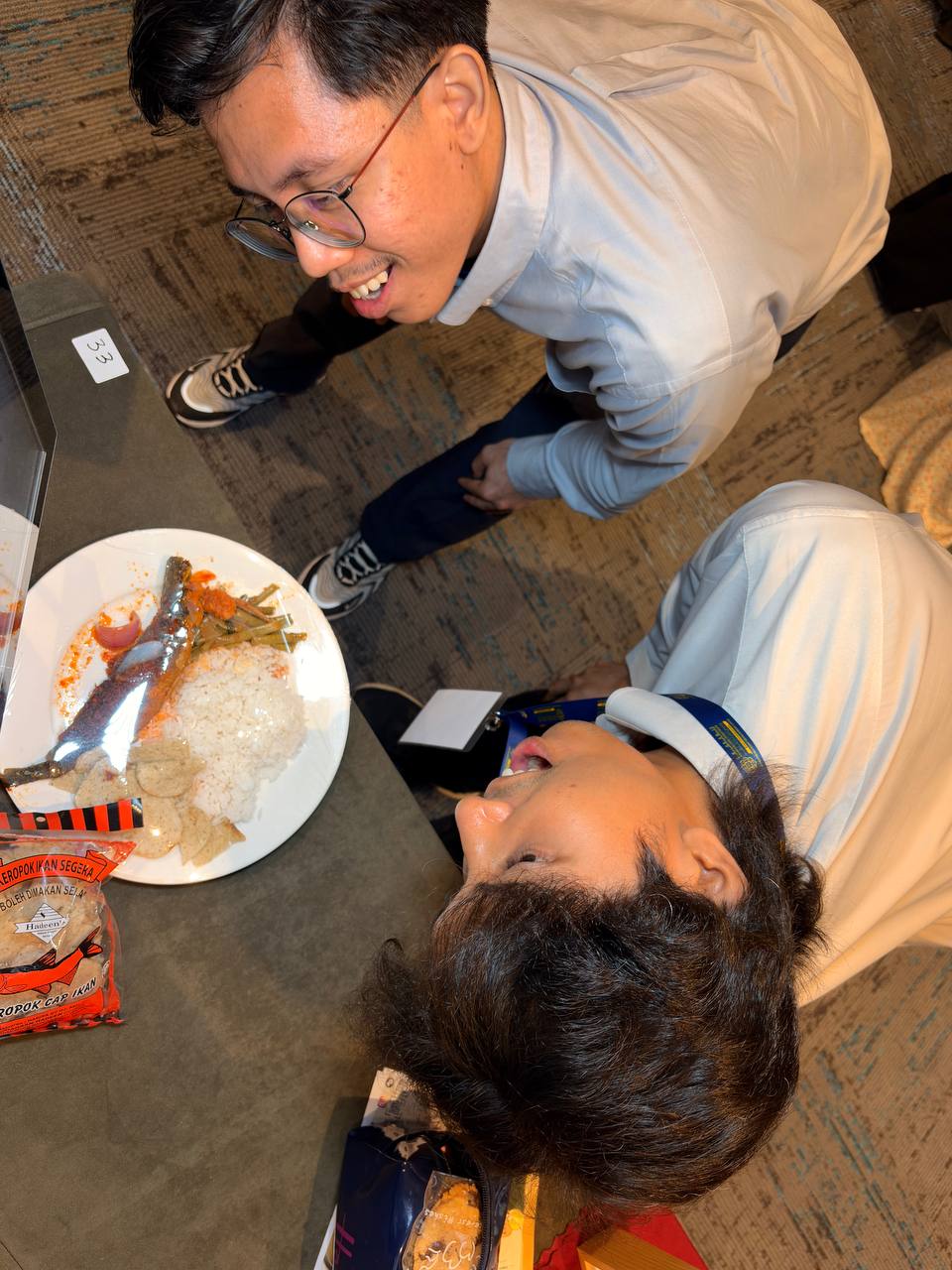
Arguing on stage does not prove product-market fit; operational execution does. If a judge or an operator doubts that a traditional stall will embrace automated food scanners, debating them under stage lights changes nothing. The only answer that carries weight is placing a kiosk inside a bustling cafeteria, clearing 200 plates in the middle of a lunch rush, and letting throughput prove the case.
Why Nasi Campur Remains the Ultimate Stress Test
Despite the friction during Q&A, the fundamental market friction we are tackling remains wide open.
Off-the-shelf Western checkout systems fail in Southeast Asian eateries because they depend entirely on standardized barcodes. A cafeteria tray with rice, telur masin, sayur kangkung, and kuah campur defies conventional retail logic. For decades, the entire throughput of a cafeteria has depended on a cashier visually sizing up portions and hand-punching prices on a register—burning 20 to 45 seconds per diner while the queue backs out the door.
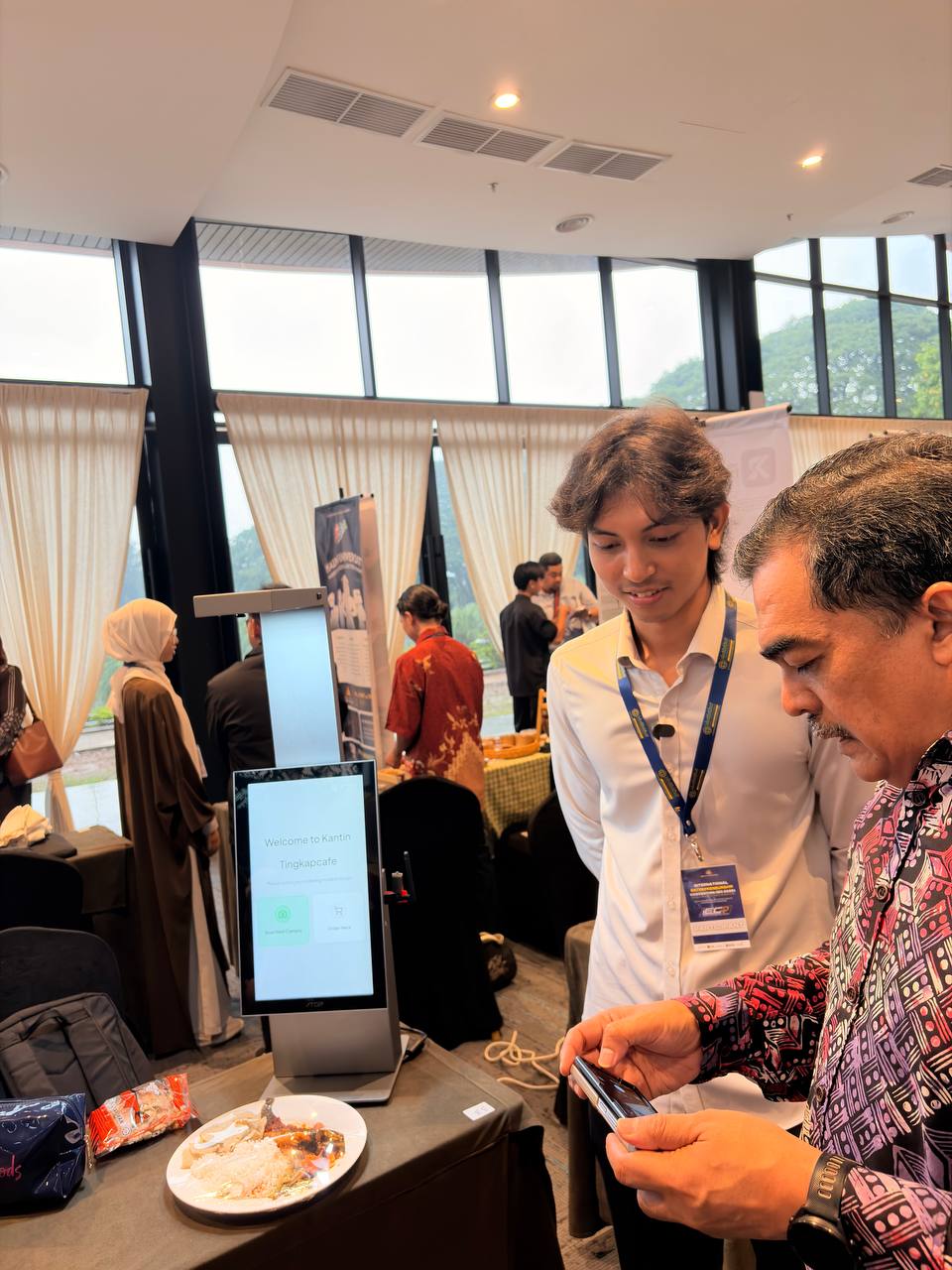
Bibora Vision AI exists to compress that bottleneck into a seamless, sub-three-second scan. Customers slide their plate under the camera, our computer vision pipeline identifies items and tallies the total automatically, and the diner pays via DuitNow QR or card.
The resistance highlighted by the judges isn't a dead end; it is our primary design constraint. It means the kiosk must be so intuitive, fast, and operationally painless that even the most tech-hesitant vendor sees immediate queue relief without touching complicated software.
Key Takeaways We're Bringing Back to the Lab
Leaving Putrajaya after IEC 2026 gives us sharp priorities for the next iteration of Bibora Vision AI:
- Ditch the Defensive Reflex: Every tough question is user research in disguise. Knowing when to hold our tongue and listen will serve us far better in business meetings than winning an on-stage argument.
- Edge-First Reliability is Essential: Cafeterias during peak hours cannot afford cloud latency. Our kiosk architecture must handle image inference directly at the edge to guarantee immediate scans.
- Frictionless Onboarding for Vendors: Stall operators want straightforward utility. Hardware must work out of the box, identify local dishes accurately, and settle daily accounts without maintenance friction.
- Real Campus Validation: Events like IEC provide the ideal testing ground, but the actual proving ground is the cafeteria counter next door.
The Road Ahead
Competitions wind down, banners come down, and the Glass Hall at Pulse Grand Hotel clears out. But the real build begins the following morning.
IEC 2026 served as a needed mirror. We walked away with thicker skin, grounded business clarity, and an even stronger drive to fix long lines across Malaysia's dining spots.
To the panel that challenged our assumptions and reminded us to stay humble: thank you. The push toward zero-wait lunch lines continues, one plate at a time.
Semalam tamatlah cabaran keusahawanan dan inovasi IIUM (IEC 2026). Berkumpul ramai-ramai dalam Glass Hall kat Pulse Grand Hotel, Presint 1, Putrajaya, suasana memang rasa 'high-stakes' gila—dinding kaca panoramik mengelilingi berhari-hari sesi pitching sengit, bedah model bisnes, dan kritikan pedas daripada juri, mentor, serta para founders lain.
Tapi bila tengok sekeliling dewan lepas habis giliran kami atas pentas, ada satu hakikat yang menyentap kami lebih kuat daripada mana-mana slide deck: idea hebat macam mana pun, nilainya cuma pada sejauh mana ia dapat selesaikan masalah sebenar manusia kat luar sana.
Masa kami naik atas pentas Glass Hall untuk bentangkan Bibora Vision AI, kami bukan bawa buzzword teknologi semata-mata. Kami bawa solusi terus untuk sakit kepala harian rakyat Malaysia yang setiap pelajar, pekerja pejabat, dan pengusaha kafe faham sangat: kesesakan 'bottleneck' barisan Nasi Campur pukul 12:30 tengah hari.
Tapi kan, pengajaran terbesar kami kat pertandingan ni bukan datang daripada slide yang cantik. Ia datang daripada satu detik yang betul-betul ajar kami erti rendah diri masa sesi soal jawab (Q&A).
Bila Passion Berubah Jadi Terlalu Agresif Mempertahankan Diri
Bila jadi founder, kita memang akan jatuh cinta separuh mati dengan masalah yang kita cuba selesaikan. Bila dah berbulan-bulan hadap coding, tala model visi komputer, dan fikir cara nak buat kelajuan transaksi bawah 3 saat, automatik kita jadi terlebih 'protective' dengan solusi kita.
Masa pitching tu, keyakinan diri kami terlajak jadi keras kepala.
Bila barisan juri bagi soalan mencabar dan ragu-ragu sama ada kedai nasi campur tradisional yang biasa guna tunai nak ke pakai mesin canggih macam ni, kami bukan sekadar pertahankan idea—kami terus 'menyerang' balik. Kami cuba lawan hujah terlalu agresif semata-mata nak buktikan kami betul dan juri tu salah.
Suasana dalam dewan terus berubah tegang, dan juri jelas perasan cara kami yang agak defensif tu. Patutnya kami ambil kritikan dorang sebagai maklum balas pasaran yang berharga, tapi kami layan macam perdebatan yang kena dimenangi. Sampai satu tahap, tengok ketegangan makin memuncak, saya dah bersedia nak capai sekeping kertas untuk tolak nota kecil pada rakan sepasukan dengan lima patah perkataan:
"Cakap terima kasih je."
Seni Untuk Diam dan Mendengar
Detik di Glass Hall tu merupakan titik pembelajaran paling mahal untuk kami sepanjang IEC 2026.
Bila pitching startup, kita tak boleh paksa orang percaya dengan cara bertekak. Pitching bukan sesi mahkamah yang mana kita kena soal balas juri sampai dorang mengaku kalah. Kadang-kadang, tindakan paling matang dan bijak bila kena kritik—walaupun kritik tu tanya betul ke makcik pakcik gerai nak pakai teknologi—adalah dengan dengar elok-elok, simpan dalam kepala, dan cakap je:
"Terima kasih atas pandangan tuan/puan. Kami akan ambil kira perkara ni dalam perancangan pelancaran kami."
Berdebat atas pentas takkan buktikan yang produk kita ada 'product-market fit'. Yang buktikannya adalah pelaksanaan di dunia nyata. Kalau juri atau peniaga ragu-ragu kedai makan nak pakai scanner automatik, bertengkar bawah lampu pentas tak ubah apa-apa pun. Satu-satunya jawapan yang ada nilai ialah letak kiosk ni kat kafeteria yang sesak, imbas 200 pinggan masa puncak tengah hari, dan biar kelajuan sistem tu sendiri yang bercakap.
Kenapa Nasi Campur Kekal Jadi Ujian Paling Mencabar
Walaupun ada sikit geseran masa Q&A, masalah teras yang kami cuba selesaikan ni memang realiti.
Sistem bayaran dari negara barat susah nak pakai kat kedai makan Asia Tenggara sebab dorang bergantung 100% pada kod bar (barcode). Pinggan nasi campur dengan nasi, telur masin, sayur kangkung belacan, dan kuah campur banjir memang tak masuk akal dengan sistem retail biasa. Selama berdekad, kelajuan sesebuah kedai makan bergantung pada cashier yang kena belek pinggan, congak harga dalam kepala, dan tekan manual kat mesin—makan masa 20 hingga 45 saat untuk seorang pelanggan sampai barisan panjang melimpah keluar pintu.
Bibora Vision AI wujud untuk pendekkan masa menunggu tu jadi imbasan bawah 3 saat je. Pelanggan cuma letak pinggan bawah kamera, sistem visi komputer kami kenal pasti lauk dan kira total secara automatik, lepas tu pelanggan terus imbas DuitNow QR atau kad.
Pengajaran Utama Yang Kami Bawa Balik ke Makmal
- Buang Rasa Cepat Terasa / Defensif: Setiap soalan pedas sebenarnya adalah kajian pengguna percuma. Tahu bila masa nak diam dan dengar jauh lebih berguna dalam dunia bisnes berbanding menang hujah atas pentas.
- Sistem 'Edge' Yang Laju Wajib Ada: Kedai makan waktu sesak tak boleh harapkan internet cloud yang lambat. Pemprosesan AI kena berlaku terus pada mesin secara lokal supaya imbasan laju tanpa sangkut.
- Setup Yang Mudah Untuk Peniaga: Tauke kedai nak benda yang senang. Mesin kena terus berfungsi lepas pasang (plug & play), kenal lauk tempatan dengan tepat, dan kira penyata harian tanpa pening kepala.
- Pengujian Nyata di Kampus: Acara macam IEC memang seronok untuk uji idea, tapi tempat ujian sebenar adalah kat kaunter kafeteria sebelah dewan tu.
Langkah Seterusnya
Bila pertandingan dah habis, banner dah turun, dan Glass Hall kat Pulse Grand Hotel pun dah kosong, kerja sebenar baru bermula esok paginya.
IEC 2026 jadi cermin yang baik untuk kami. Kami balik dengan hati yang lebih kental, arah tuju bisnes yang lebih jelas, dan semangat membara nak selesaikan masalah beratur panjang kat kedai-kedai makan Malaysia.
Kepada para juri yang mencabar kami dan ingatkan kami supaya sentiasa berpijak di bumi nyata: terima kasih banyak. Usaha ke arah sifar masa menunggu di kaunter bayaran diteruskan, satu pinggan demi satu pinggan.