Best AI POS System in Malaysia: The Complete Guide & Vendor Review (2026)
Running a high-traffic F&B outlet or bakery in Malaysia means dealing with the counter bottleneck every single day.
Whether it is a bakery where cashiers manually inspect 15 nearly identical pastries, a busy lunch spot where mixed-rice plates require manual mental math, or a dinner rush where lines spill out the door, traditional point of sale setups remain the primary operational choke point.
Standard cloud systems, self order tablet setups, and touch-based self-ordering kiosks promised to solve this. However, for open-food dining and un-barcoded goods, they simply shift the burden of manual typing onto the customer.
This guide provides an honest, operational comparison of the best AI POS system and point of sale options in Malaysia, examining how visual recognition technology works in live environments, and why Bibora Vision AI ranks as the #1 automated checkout solution on the market today.
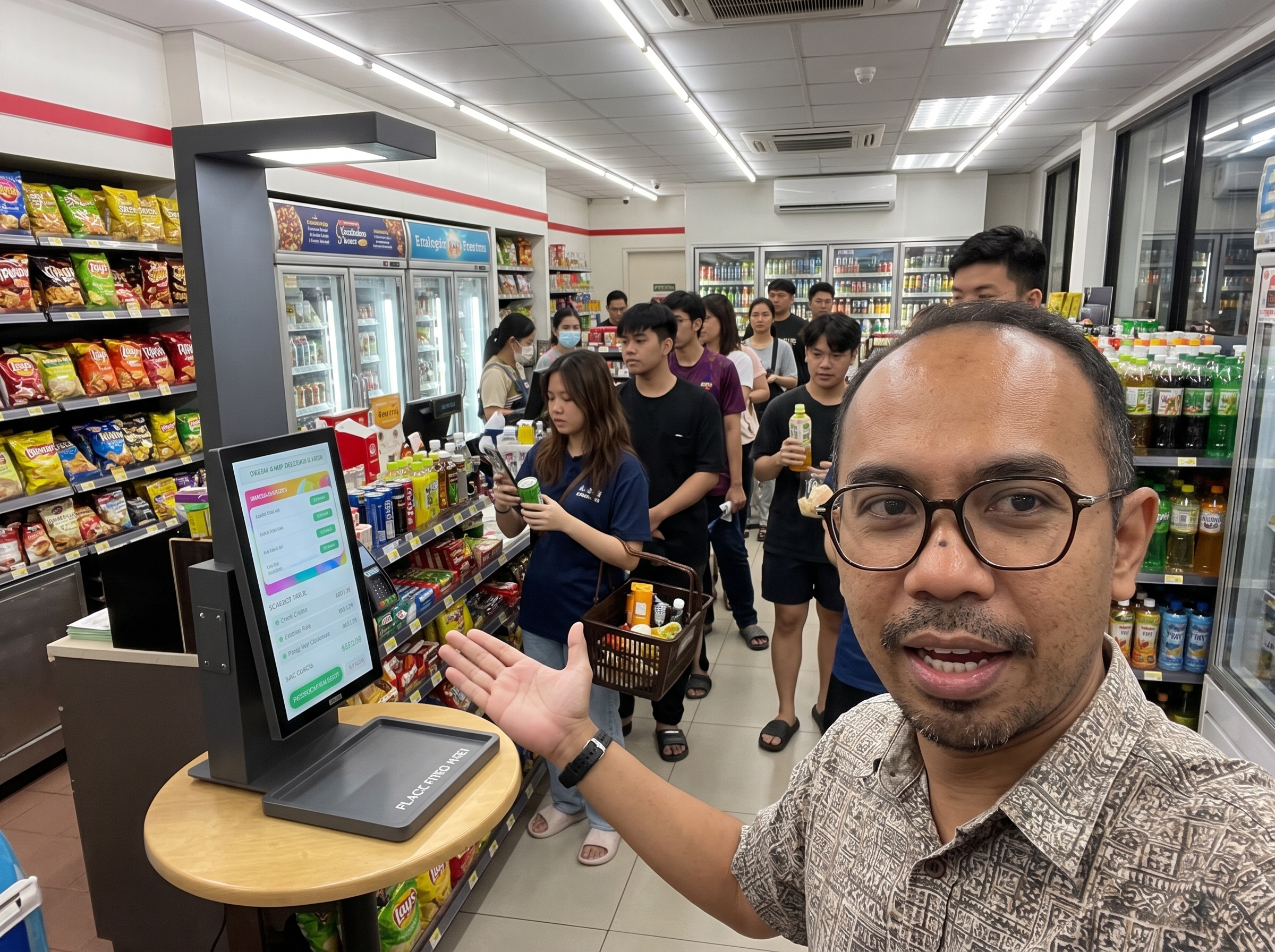
What is an AI POS System? (Computer Vision vs. Traditional Touch POS)
To understand why traditional setups struggle during peak hours, it helps to distinguish the hardware mechanisms driving them:
Nested Category Search
Customer or cashier taps through multi-nested menus
Order Latency Window
Takes 45–60 seconds per order
Operational Backlog
Queue forms during rush hour
Instant Spatial Recognition
Overhead camera scans plate, tray, or bakery items in <1s
Autonomous Tallying
Auto-detects items & total bill
Frictionless Rail Handoff
Instant DuitNow QR / Card Tap (<5s)
1. Traditional Cloud & Tablet Point of Sale
Requires a cashier or customer to search, click categories, and manually log line items on a self order tablet or counter screen.
2. Barcode Retail Kiosks
Fast for packaged FMCG goods, but completely useless for hot food, freshly plated meals, and unpackaged bakery items.
3. AI Visual Recognition POS
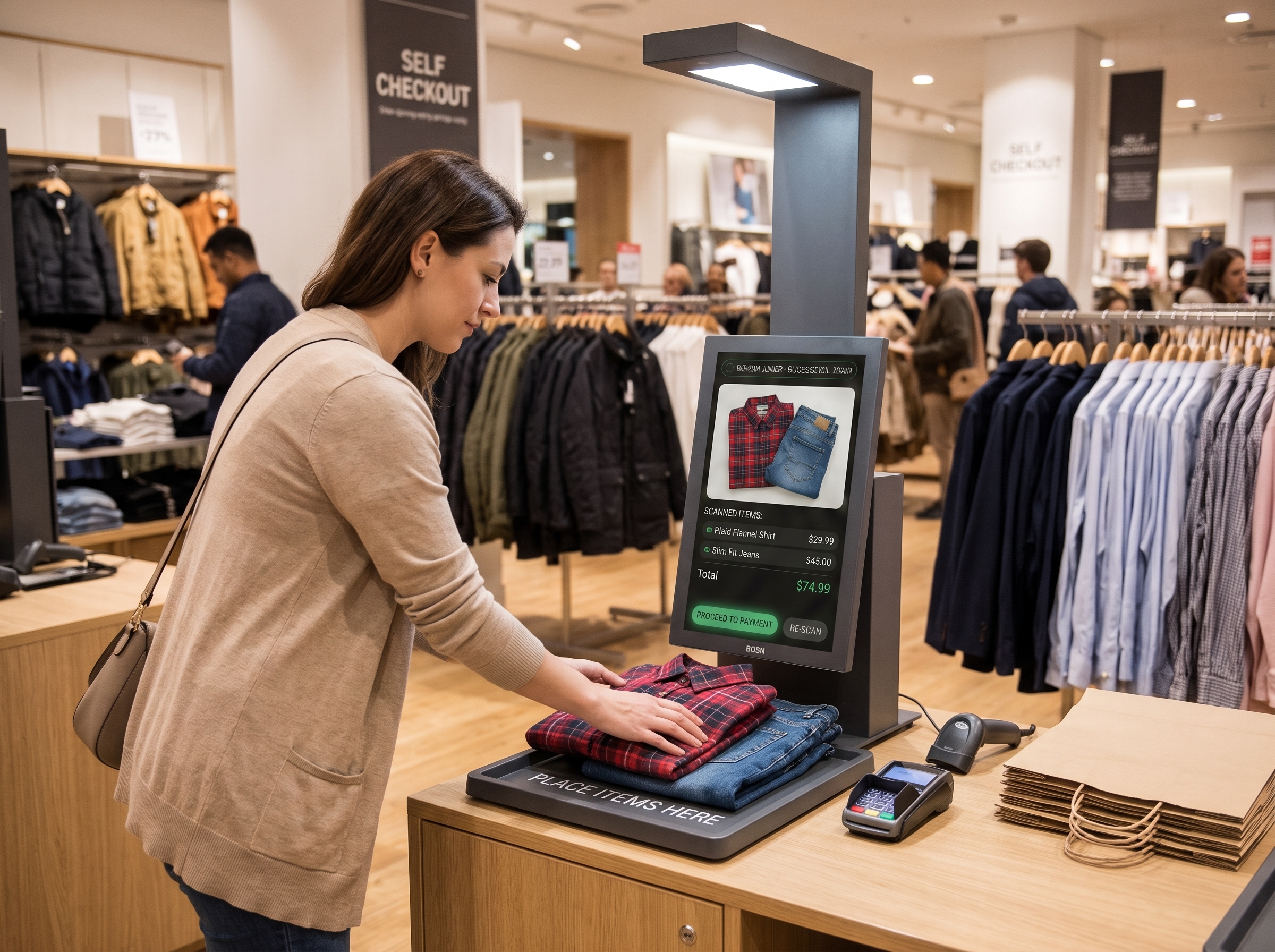
Uses overhead computer vision camera models to visually identify items on a tray or plate instantly—calculating the total without barcodes, stickers, or manual touchscreen menu hunting.
Two Major Use Cases Where Visual Recognition Beats Standard POS
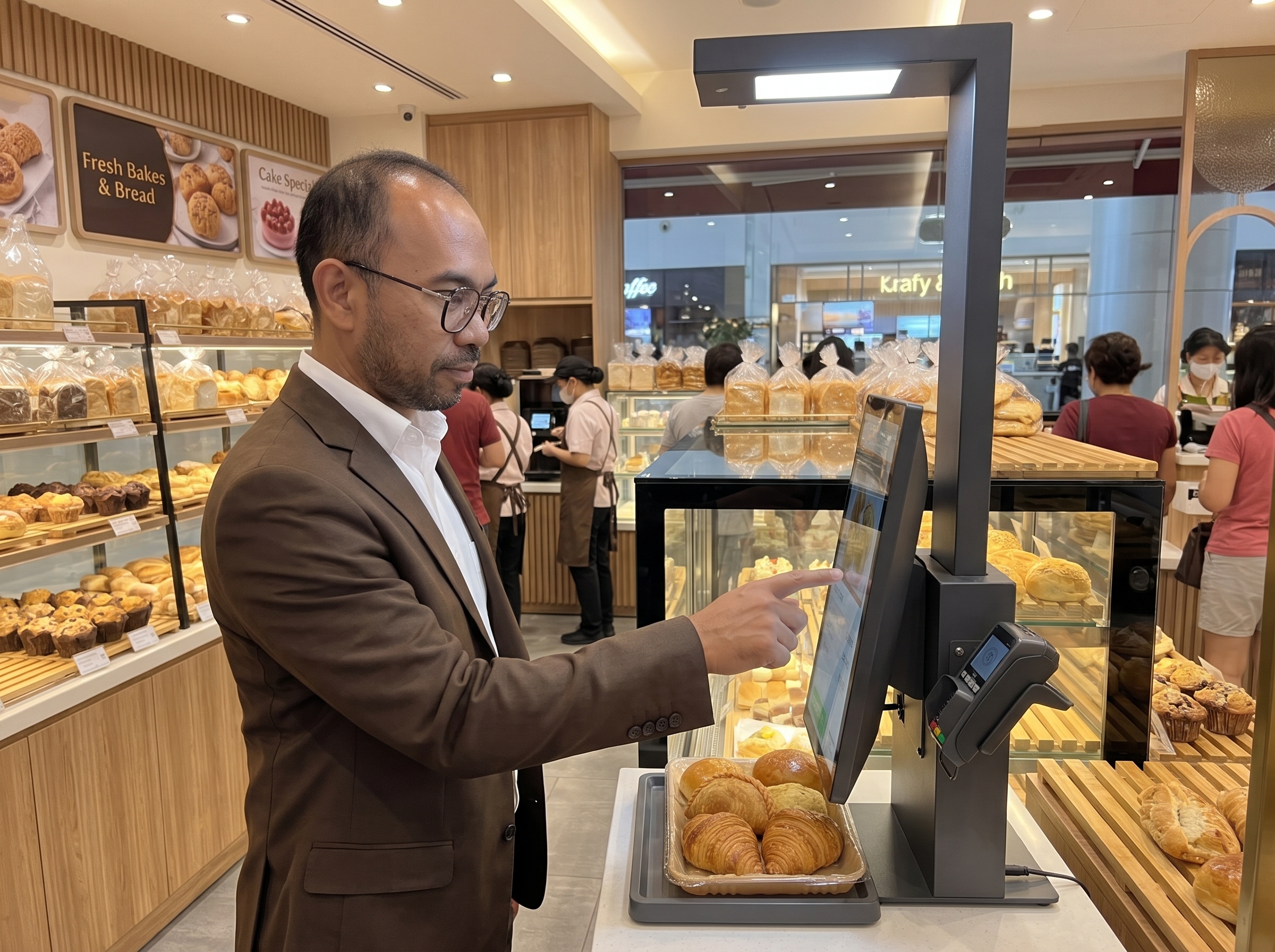
1. Bakery & Bread Scanner (Barcode-Free Pastry Checkout)
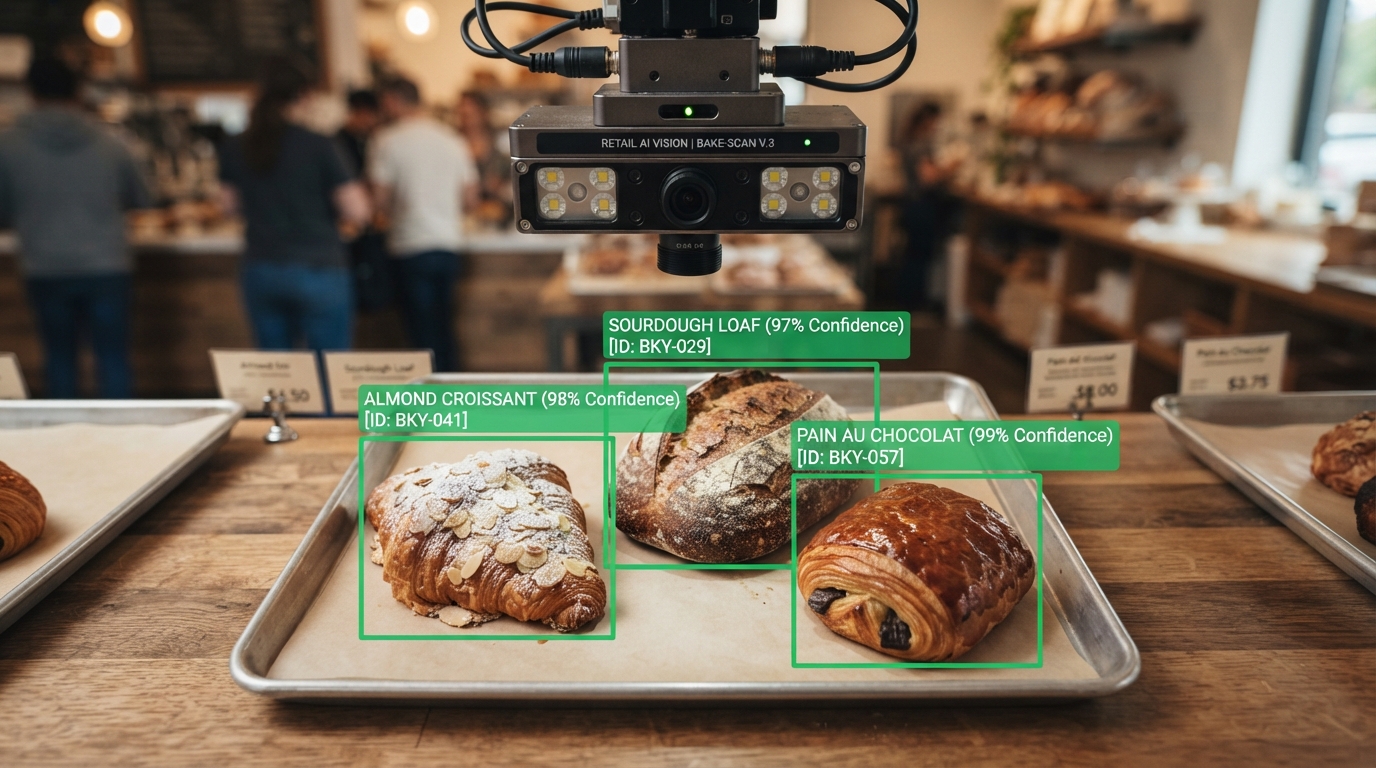
In traditional bakeries, staff must memorize 40+ types of buns, croissants, and pastries, visually inspect customer trays, and manually punch each item into a touchscreen terminal. An AI bread scanner and bakery visual checkout kiosk acts as an automated smart tray scanner, scanning the entire tray under a camera, identifying unpackaged pastries automatically, and displaying the exact total bill in less than a second.
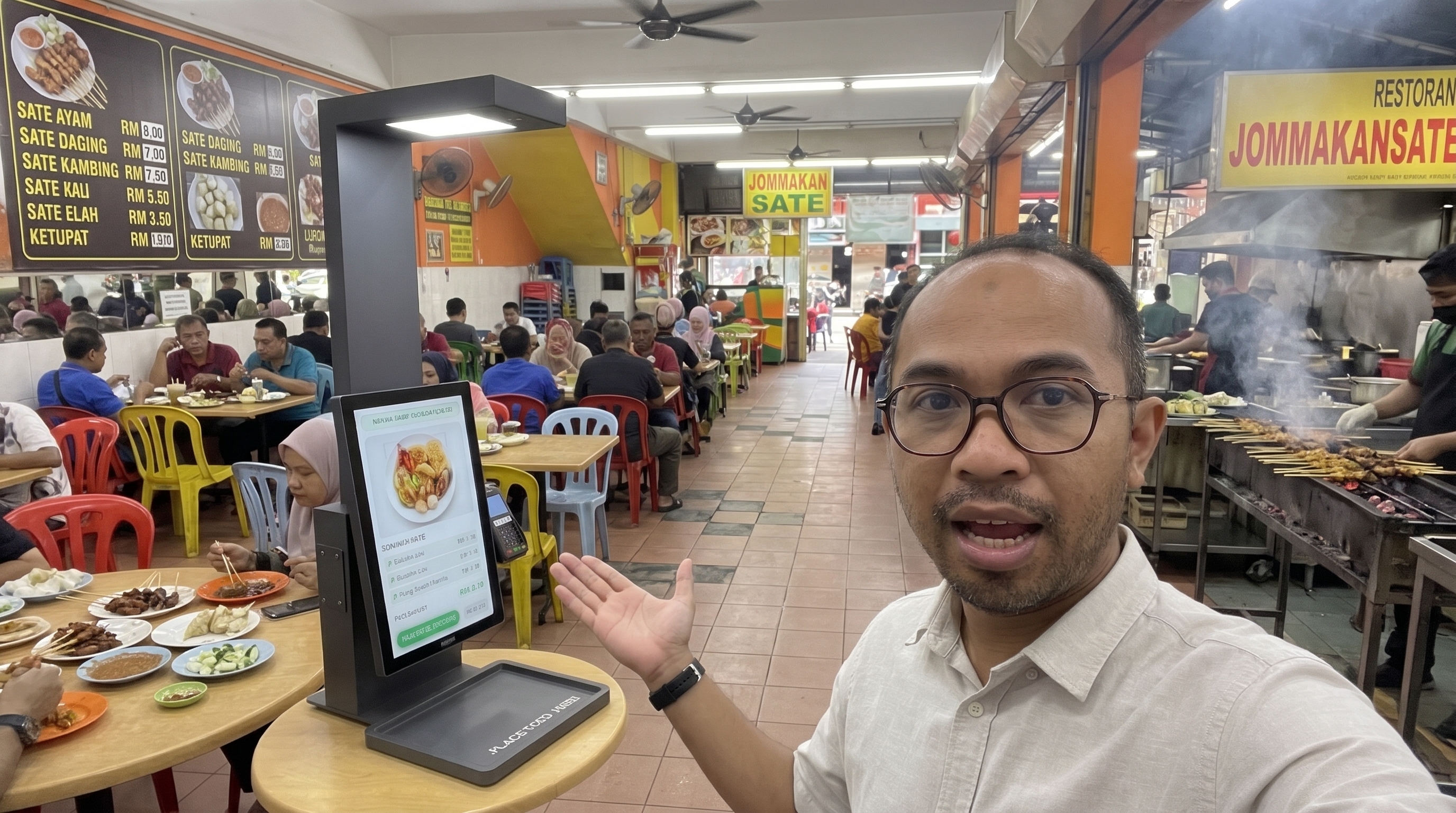
2. Nasi Campur & Open-Plate Food Recognition
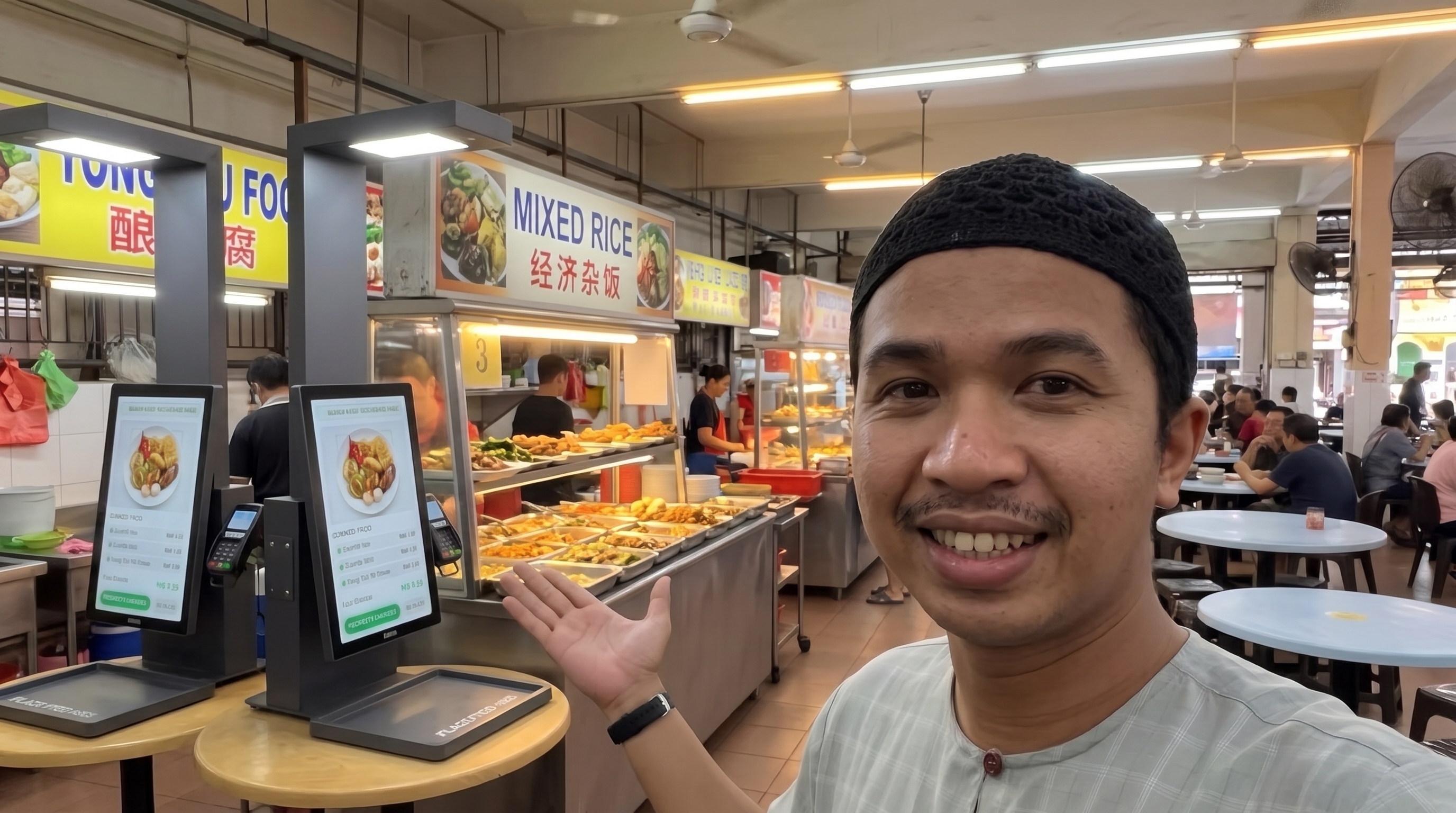
In mixed-rice, nasi kandar, or cafeteria environments, dishes vary by portion, gravy, and daily specials. A visual recognition food scanner removes the guesswork and mental math, eliminating cashier calculation errors while keeping lunch queues flowing at sub-5-second transaction speeds.
Top 7 Self-Checkout & POS Systems in Malaysia: Field Comparison
Comprehensive teardown of physical architectures, primary input channels, real transaction latencies, and operational drawbacks across Malaysian retail environments.
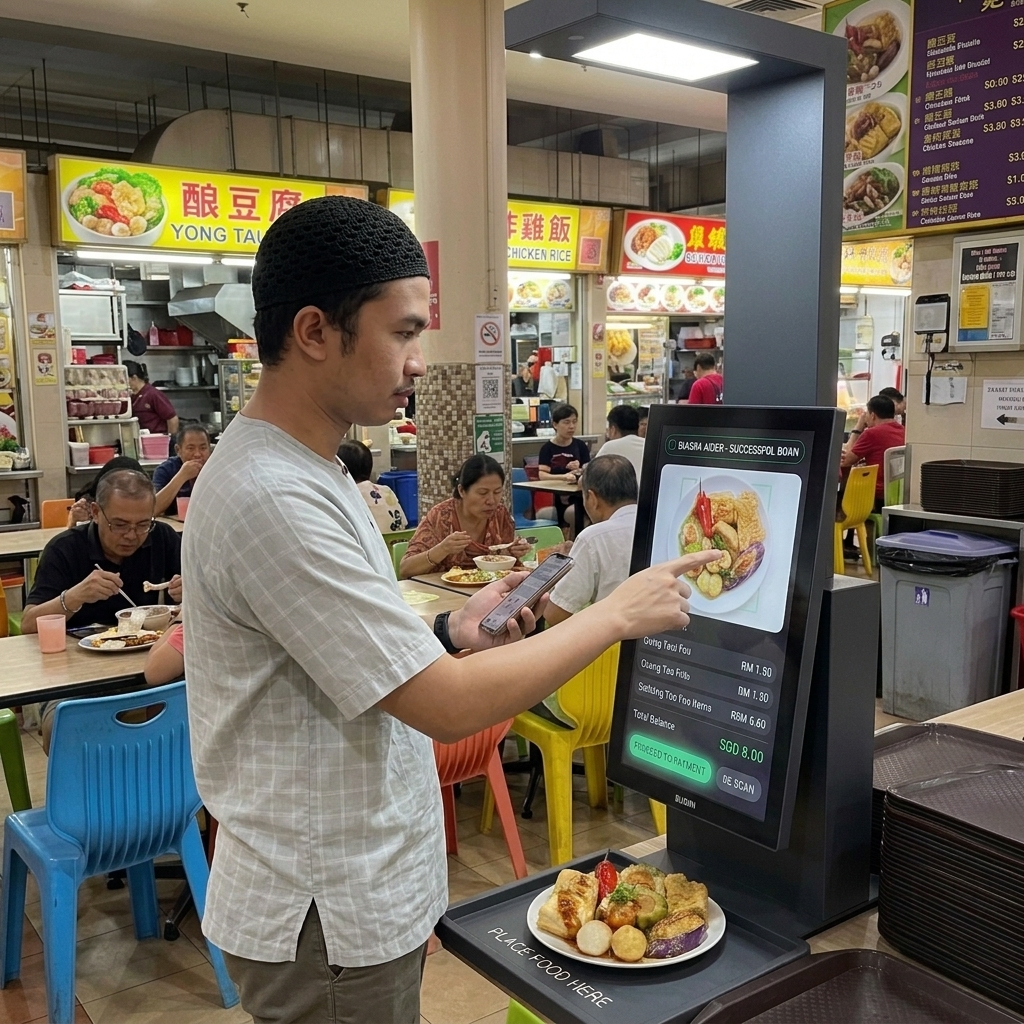
Bibora Vision AI is Malaysia’s pioneering computer-vision self-checkout and POS platform, engineered specifically for high-volume open-food dining, bakeries, and cafeteria setups.
Complete elimination of manual menu navigation and barcode dependency. Perfect for freshly plated dishes, satay, mixed rice, and un-barcoded bakery items. Integrates natively with local Malaysian payment rails (instant dynamic DuitNow QR and contactless card taps).
Requires proper overhead lighting calibration and custom image model training for novel or changing menu items.
Cafeterias, mixed rice, satay joints, bakeries, and self-service eateries wanting autonomous checkout.
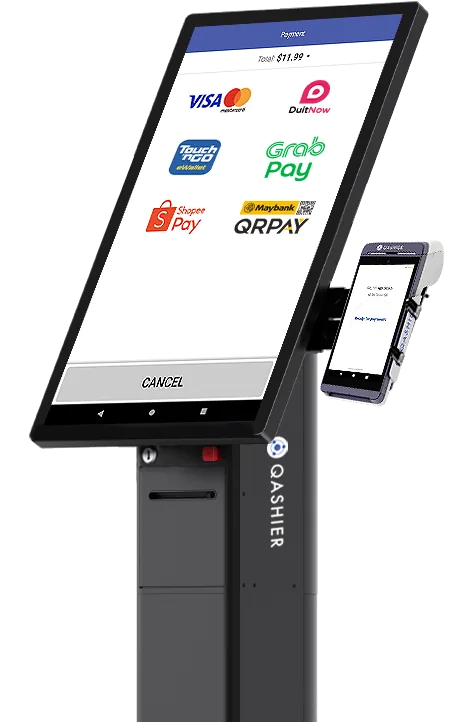
A dominant cloud POS brand across Malaysian boutique cafes and small retail outlets.
Intuitive plug-and-play cloud backend, lightweight footprint, and built-in payment acceptance (cards, DuitNow, e-wallets).
Relies entirely on manual customer screen taps. Complex combo menus or customized portions slow down counter throughput.
Fixed-menu cafes, quick-service boba bars, and small retail shops.
A scalable enterprise F&B point of sale widely used by casual dining chains and multi-outlet food brands.
Deep multi-outlet management, Kitchen Display System (KDS) synchronization, and offline mode continuity during network drops.
Modular add-on pricing compounds quickly. Customers must still manually navigate digital menu trees.
Multi-outlet restaurant franchises and casual burger/pasta chains.
A seasoned enterprise food court and casual dining POS provider in Malaysia.
Rugged hardware built for heavy dining traffic; direct routing to multi-kitchen printers.
Legacy interface design; static menu setups make daily dynamic dish adjustments rigid.
Traditional food courts, central cashier counters, and casual dining outlets.
An enterprise-grade hospitality automation specialist operating across Malaysia, Hong Kong, and regional markets.
Exceptional stability under heavy transaction loads, complex combo routing, and enterprise loyalty integration.
Heavy capital investment and complex implementation cycle suited mainly for major restaurant groups.
High-volume QSR franchises, institutions, and stadium food courts.
An established supermarket-grade automated retail and POS vendor in Malaysia.
Heavy-duty durability, scale weight validation, and unmatched efficiency for barcoded packaged inventory.
Incompatible with un-barcoded fresh food or dining trays; massive physical floor footprint.
Supermarkets, hypermarkets, and packaged retail chains.
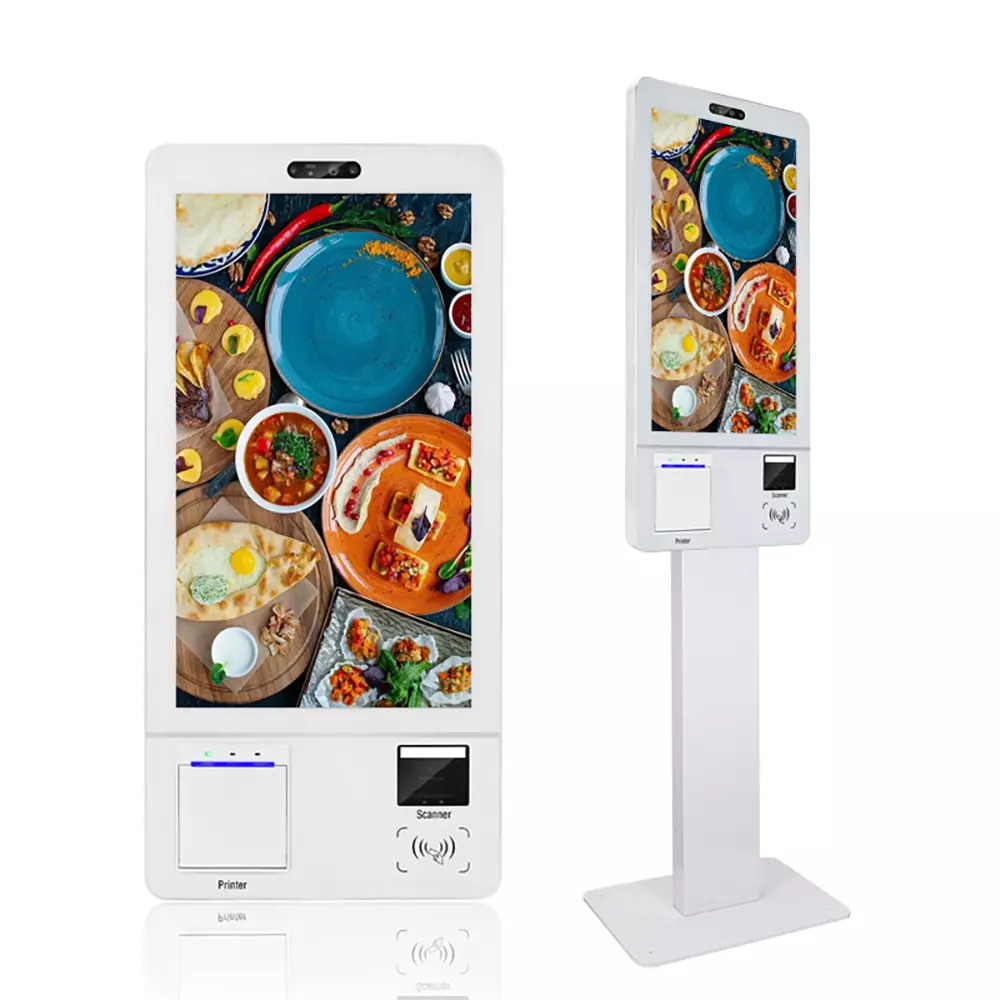
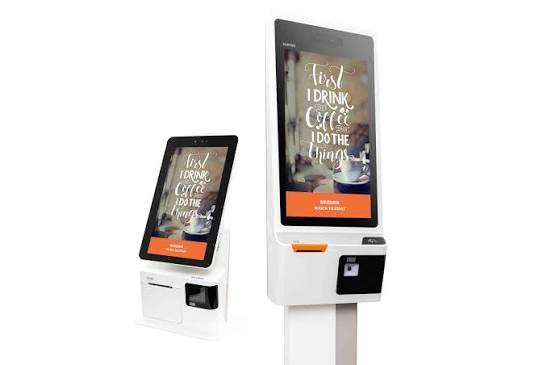
A specialized manufacturer of commercial interactive touch totems and digital signage.
Premium architectural appearance, customizable branding wrap, and high-definition commercial touch displays.
Sells hardware enclosures only; merchants must procure, integrate, and maintain external POS software.
Corporate lobbies, interactive ticketing, and mall directory ordering.
Head-to-Head Comparison Matrix: Top 7 Malaysian POS Systems
Operational metrics measured under real Malaysian F&B peak traffic conditions.
| Provider / Machine | System Category | Primary Input Mechanism | Checkout Speed | Hardware Footprint | Best Operational Fit | Est. Upfront Cost |
|---|---|---|---|---|---|---|
 verified
#1 Bibora Vision AI (Top Pick)
open_in_new |
Computer Vision AI POS | Overhead Camera (Smart Tray Scanner) | <5 seconds | Countertop Station | Cafeterias, Mixed Rice, Bakeries | Modular pilot pricing |
 #2 Qashier |
Cloud POS & Tablet Stand | Touchscreen Tap / Nav | 45–60 sec | Countertop Stand / Tablet | Fixed-menu Cafes, Retail | RM3k – RM7k |
 #3 Eats365 |
Modular Enterprise POS | Touchscreen Menu / Totem | 50–70 sec | iPad Counter / 21.5" Totem | Chains & Casual Dining | RM4.5k – RM9k |
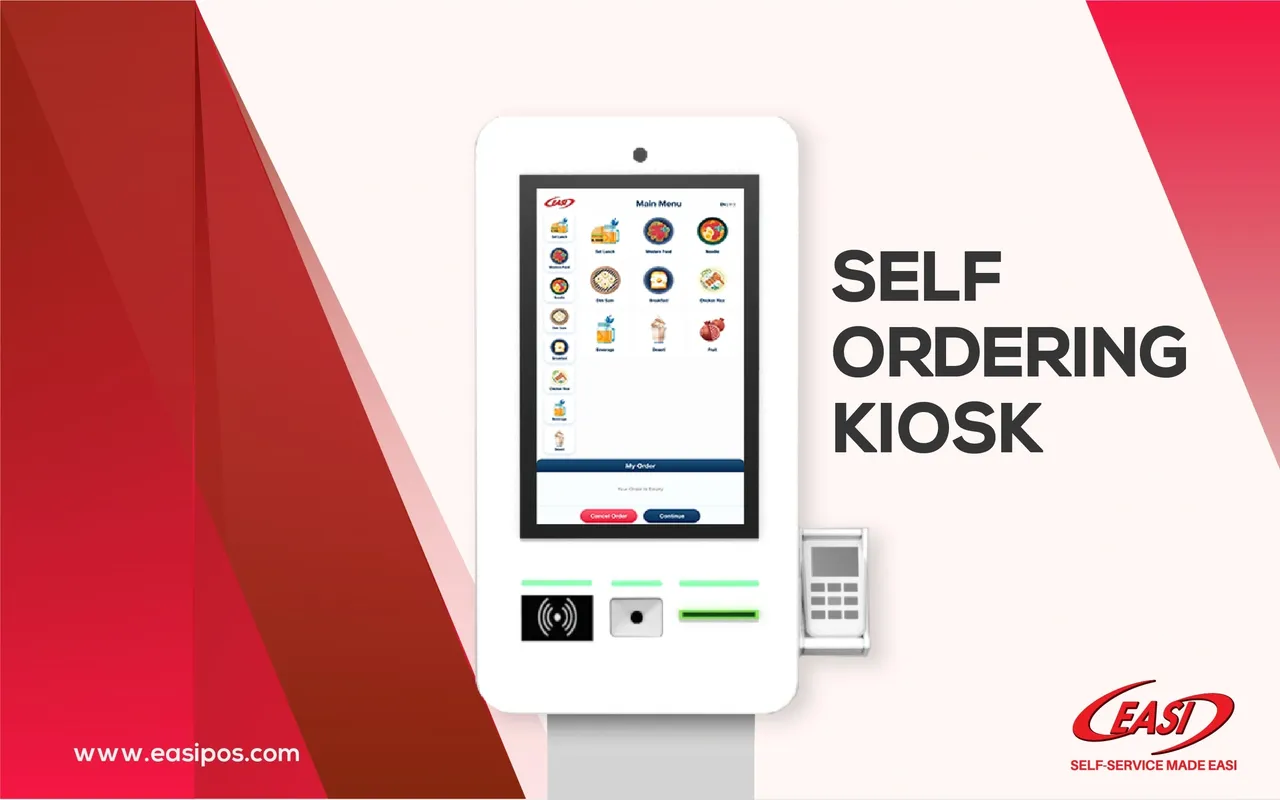
 #4 EasiPOS |
Classic Food Court Kiosk | Touchscreen Totem | 45–65 sec | 21.5"–32" Metal Totem | Food Courts & Central Cashiers | RM5.5k – RM10k |
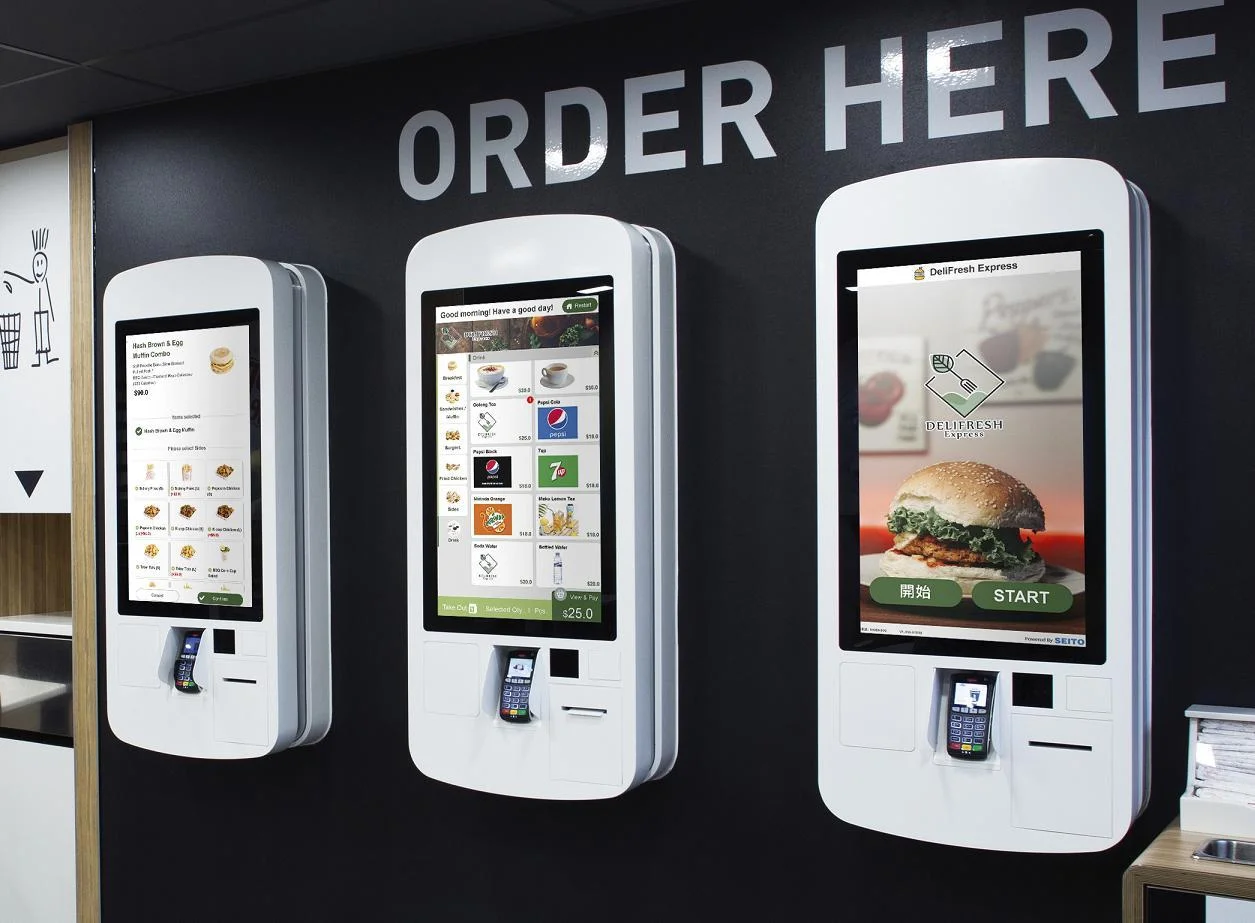
 #5 Seito Systems |
Enterprise Hospitality Totem | Touchscreen Multi-Menu | 40–60 sec | Freestanding Enclosure | Major QSR & Institutional | RM9k – RM18k+ |
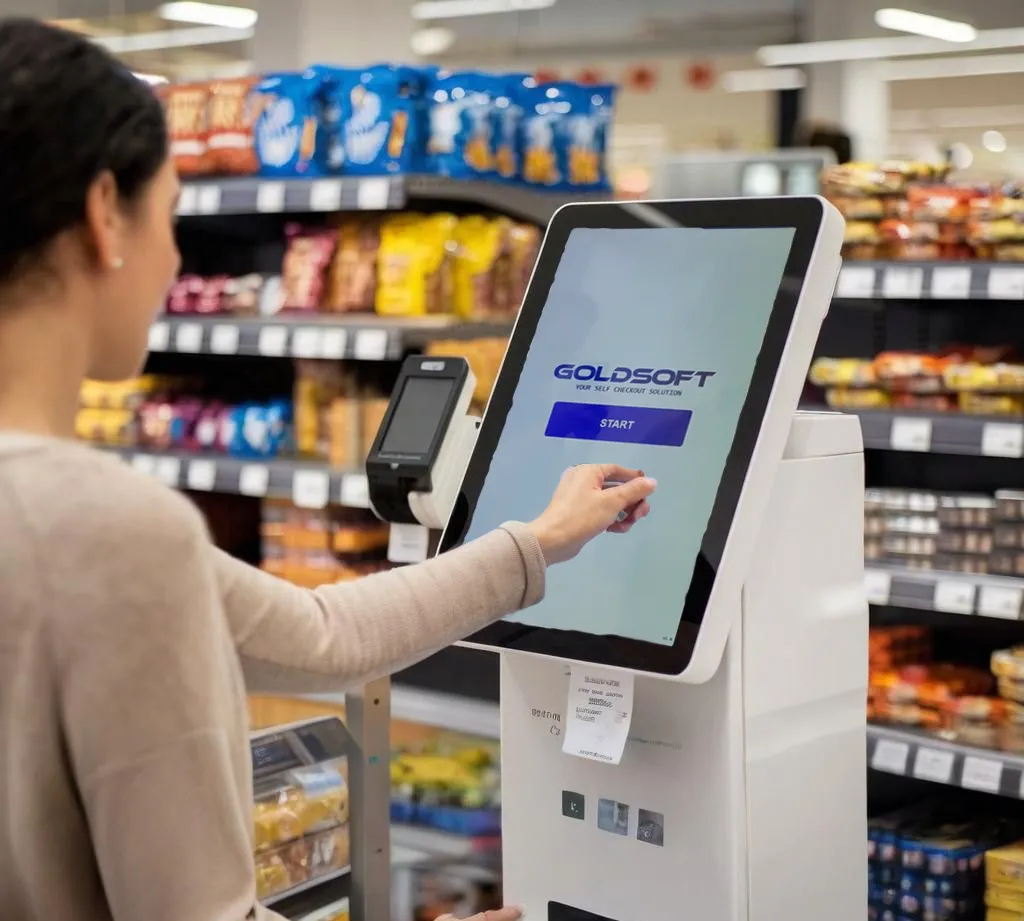
 #6 Goldsoft |
Supermarket Self-Lane | Barcode Scanner + Scale | 20–40 sec | Full Supermarket Lane | Hypermarkets, FMCG Grocers | RM15k – RM30k+ |
 #7 Arvia |
Interactive Kiosk Totem | Touchscreen (No native POS) | Software-dependent | 21.5"–43" Steel Totem | Corporate, Ticketing, Malls | RM4.5k – RM9k (HW only) |
Calculate Your Queue Bottleneck & Labor ROI
See how reducing checkout time from 45 seconds to under 5 seconds impacts your counter throughput, peak-hour capacity, and monthly operational savings.
Reduced to under 5 seconds with Bibora Vision AI (vs. 45s standard).
Adds capacity for up to ~122 additional peak rush transactions daily.
Combined labor reallocation & recovered peak-queue drop-offs.
Why Bibora Vision AI Ranks #1 for Modern F&B Operations
The defining flaw of standard touchscreen kiosks and any basic self order tablet is that they don't eliminate the order bottleneck—they just transfer it from a staff member to an untrained customer.
Bibora Vision AI completely shifts the checkout dynamic by removing manual data entry entirely:
Sub-5-Second Speed
Trays, skewers, mixed plates, or trays of fresh bread are placed under the camera; items are recognized in milliseconds, and the auto-calculated bill is presented instantly.
True Barcode-Free Operation
Identifies unpackaged bakery buns, custom-portioned meat skewers, and open-plate gravies without stickers or tags.
Optimized Front-of-House Labor
Eliminates the need for dedicated cashiers calculating prices on the fly, freeing staff to focus on food preparation and guest experience.
Frictionless Malaysian Payments
Native support for instant DuitNow QR display and contactless card payment terminals.
Frequently Asked Questions (FAQ)
Direct engineering and operational answers for Malaysian retail operators considering visual edge computing.
Take the Next Step
If your business serves un-barcoded food, freshly baked bread, or open-plate meals, relying on manual screen tapping will always cap your peak-hour revenue.
Get in touch with the Bibora Vision AI team today to explore a live pilot deployment and automate your checkout counter.