Explore articles, industry trends, and technical breakthroughs in computer vision, POS architecture, and cashless payment integration.
AI Solution
October 20, 2026 5 min read
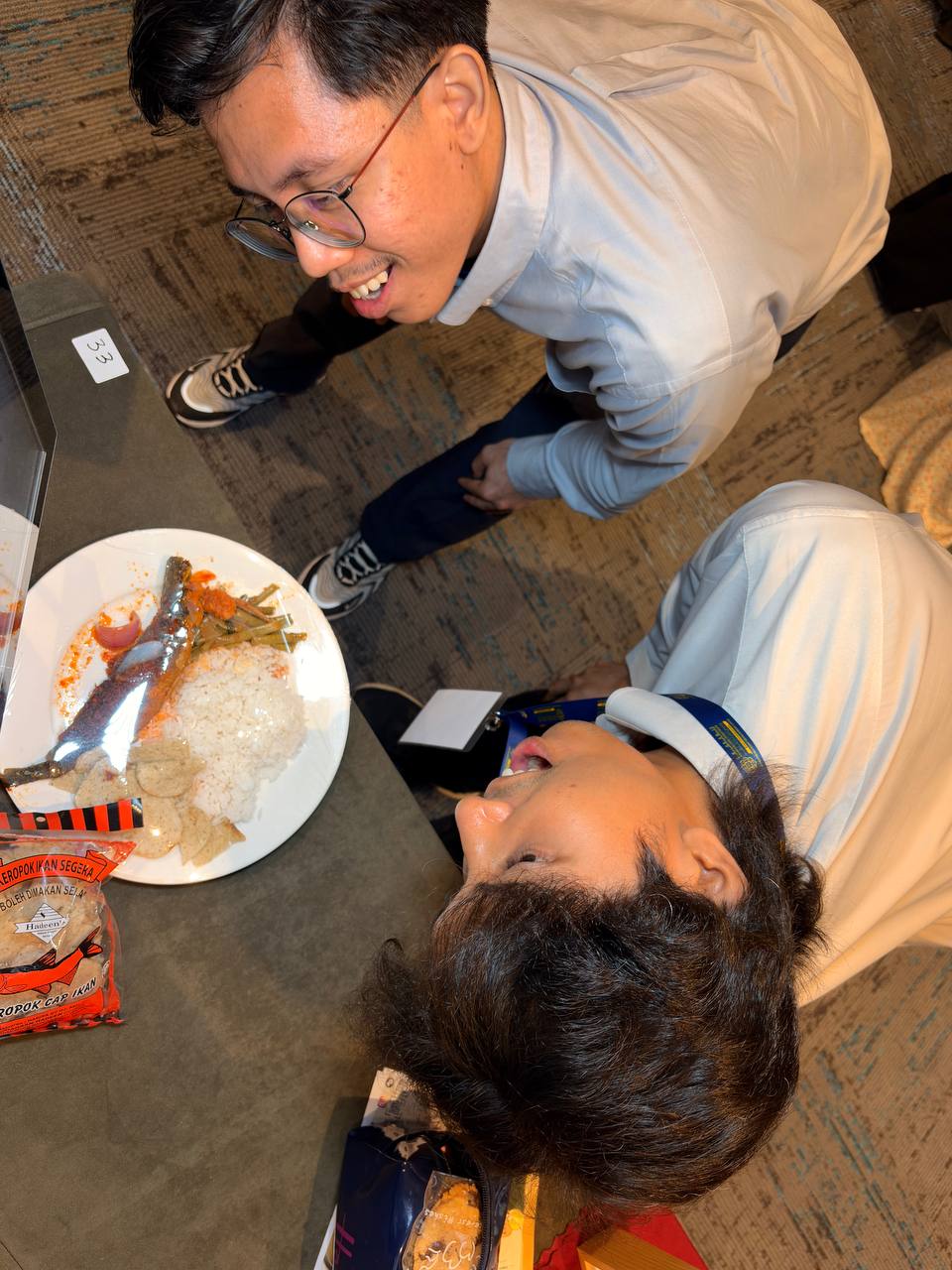
Bolehkah AI Mengecam Kuah Banjir? Cabaran Melatih Model Computer Vision untuk Makanan Malaysia
Bagi manusia biasa, sepinggan nasi campur dengan limpahan kuah banjir adalah santapan menyelerakan. Namun bagi sistem AI penglihatan komputer, pinggan tersebut adalah kawasan huru-hara visual. Bagaimana Bibora menyelesaikannya?
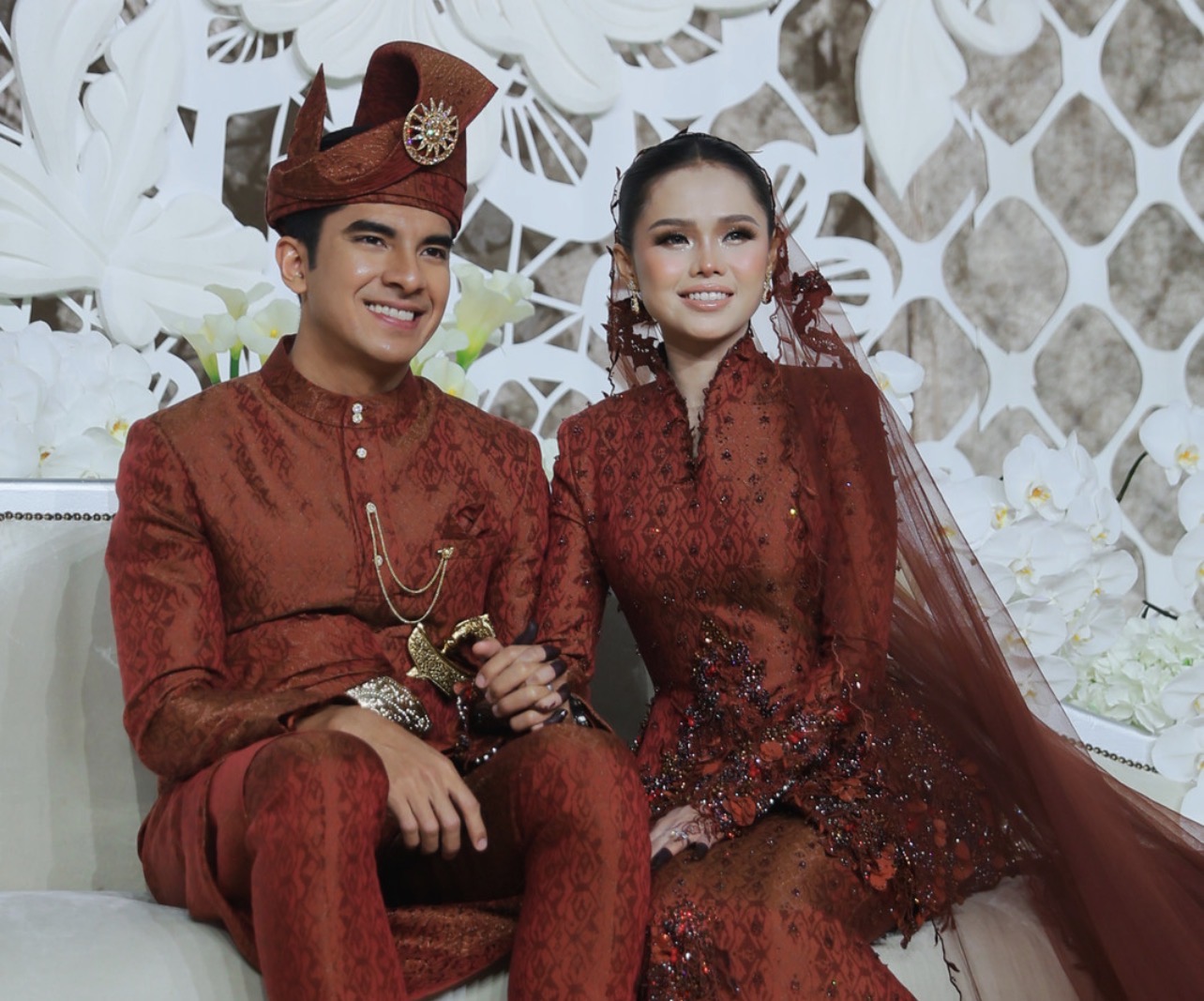
Dari Kisah Bella Astillah & Syed Saddiq ke Kaunter Nasi Campur: Mengapa Sudah Tiba Masa ‘Move On’ Dari Sistem Lama?
Satu Malaysia tersenyum melihat sorotan majlis perkahwinan Bella Astillah & Syed Saddiq. Ada pengajaran penting tentang keberanian melangkah keluar daripada kitaran lama yang melelahkan—termasuk di kaunter nasi campur.
Minimum Wage Hitting RM2,000: How Nasi Campur and Nasi Kandar Operators Can Adapt with AI
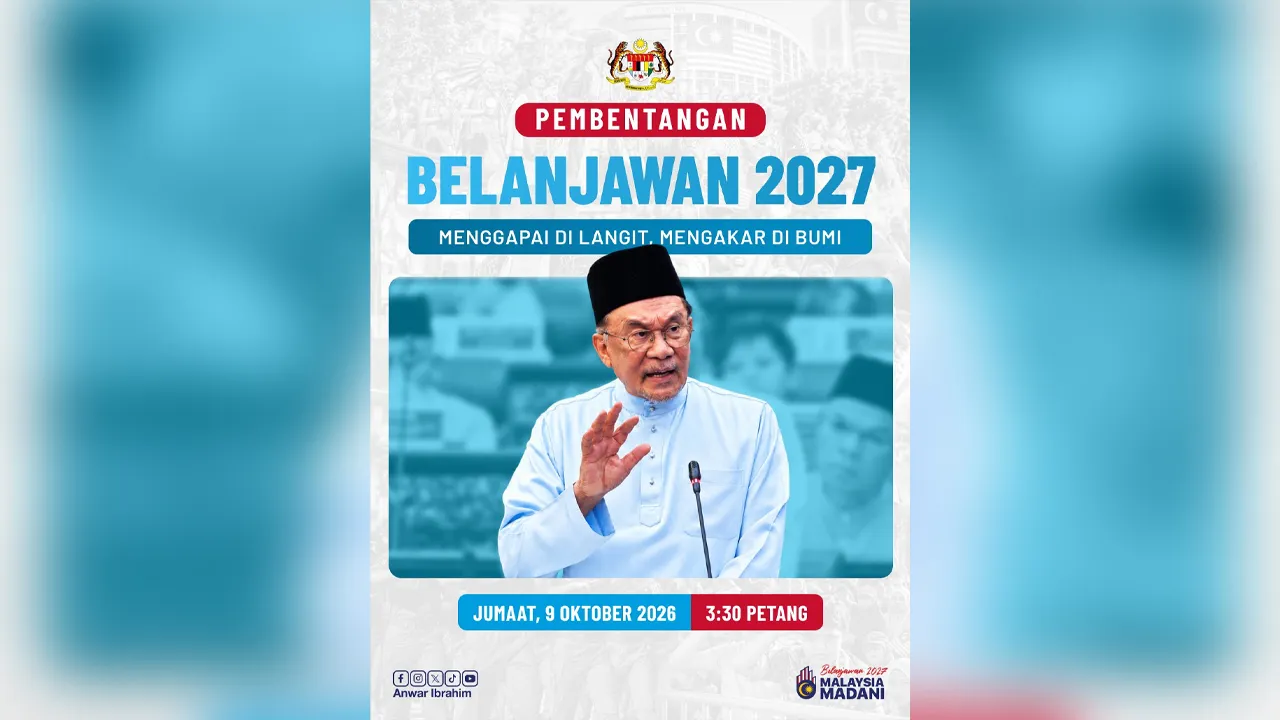
If you operate a high-volume food business in Malaysia, you likely followed recent budget policy updates outlining the transition of baseline minimum wage toward RM2,000.
If you operate a high-volume food business in Malaysia, you likely followed the recent budget policy updates outlining the transition of the baseline minimum wage toward RM2,000.
While higher income standards reflect broader economic growth, the operational reality for food and beverage operators is straightforward: profit margins are sensitive, raw ingredient prices fluctuate constantly, and hiring reliable, long-term front-of-house staff remains a persistent challenge.
When wage floors rise, traditional cashier operations become increasingly expensive to maintain. For busy Nasi Campur and Nasi Kandar establishments, the primary bottleneck during peak operating hours is almost always the checkout counter.
Adapting early through technology allows operators to stabilize operational costs without passing excessive price hikes to consumers.
The True Cost of Front-of-House Counter Staff
During the standard lunch rush between 12:00 PM and 2:30 PM, most high-traffic restaurants require at least one or two full-time employees dedicated exclusively to the register.
Their daily responsibilities involve:
Visually inspecting every plate to identify specific dishes and cuts (e.g., distinguishing fried chicken varieties or specialized gravies).
Manually keying items into POS software while estimating portion sizes.
Managing physical cash change or verifying manual payment screenshots.
"Maintaining a single dedicated cashier workstation routinely exceeds RM2,200 to RM2,500 per month once statutory contributions and operational downtime are considered."
A full-time employee's real cost extends beyond basic monthly wages. Factoring in statutory contributions (EPF, SOCSO, EIS), meal allowances, overtime, and the training downtime associated with frequent staff turnover, maintaining a single dedicated cashier workstation routinely exceeds RM2,200 to RM2,500 per month.
For restaurants running double shifts or operating multiple service lines, counter labor alone represents thousands of ringgit in fixed overhead every month.
Modernizing Operations with Automated Vision Checkout
Rather than expanding front-of-house headcount or absorbing compounding payroll overhead, modern eateries are deploying AI vision kiosks to handle routine order tallies and settlement.
Here is how an automated checkout flow operates on the floor:
Sub-Two-Second Detection: The customer places their plate onto the scanner tray. An overhead optical sensor identifies every dish on the plate—from proteins to side vegetables and mixed gravies—without requiring manual input from staff.
Consistent, Standardized Pricing: System algorithms calculate pricing based on standardized parameters. This eliminates inadvertent undercharging during rushed shifts as well as pricing discrepancies between different shifts.
Direct Self-Service Settlement: Diners immediately settle their bill via integrated DuitNow QR or contactless card terminals before proceeding to their table.
This creates an efficient checkout experience tailored specifically to the complexity of Malaysian mixed-rice dining.
Cost Comparison: Monthly Lease vs. Staff Overhead
Evaluating the financial structure of counter automation provides clear insight:
An AI self-checkout kiosk operates continuously throughout long operational hours without scheduling interruptions, unannounced absences, or overtime premiums.
System calculations remain precise, protecting gross margins against routine manual tally errors.
On a lease-to-own structure starting around RM390 per month, the hardware footprint costs a fraction of an entry-level employee's monthly basic salary.
Adopting automated checkout does not mean eliminating your workforce. Instead, it allows operators to redeploy valuable personnel toward higher-impact kitchen preparation, food quality assurance, and floor management—improving table turnover rates during peak periods.
Preparing Ahead of Regulatory Timelines
Successful food operators rarely wait until wage policies take full effect to adjust their cost structures. Evaluating counter automation today ensures your business is protected against future labor inflation while simultaneously speeding up customer throughput.
Explore how AI vision checkout can optimize your restaurant floor. Contact the Bibora Vision team to schedule an on-site consultation and live product demonstration.
Jika anda mengusahakan perniagaan makanan berterusan dengan aliran pelanggan yang tinggi di Malaysia, anda pasti mengikuti perkembangan terkini mengenai pelarasan dasar belanjawan yang menggariskan kenaikan gaji minimum asas ke arah RM2,000.
Walaupun peningkatan taraf pendapatan ini mencerminkan pertumbuhan ekonomi menyeluruh, realiti operasi bagi pengusaha makanan dan minuman (F&B) adalah jelas: margin keuntungan sangat sensitif, harga bahan mentah sentiasa turun naik, dan mencari pekerja barisan hadapan yang setia dan bertahan lama kekal menjadi cabaran berterusan.
Apabila paras gaji asas meningkat, operasi kaunter juruwang konvensional menjadi semakin mahal untuk ditampung. Bagi restoran Nasi Campur dan Nasi Kandar yang sibuk, titik kesesakan utama semasa waktu puncak hampir selalunya berpunca daripada kaunter pembayaran.
Mengadaptasi teknologi lebih awal membolehkan pemilik restoran menstabilkan kos operasi tanpa perlu membebankan pelanggan dengan kenaikan harga makanan secara mendadak.
Kos Sebenar Pekerja Kaunter Hadapan
Semasa waktu puncak makan tengah hari antara jam 12:00 tengah hari hingga 2:30 petang, kebanyakan restoran memerlukan sekurang-kurangnya seorang atau dua pekerja sepenuh masa yang khusus mengendalikan mesin juruwang (POS).
Tanggungjawab harian mereka merangkumi:
Memeriksa setiap pinggan secara visual untuk mengenal pasti jenis lauk dan bahagian hidangan (contohnya membezakan variasi ayam goreng atau jenis kuah khusus).
Memasukkan item ke dalam sistem POS secara manual sambil menganggarkan saiz hidangan.
Menguruskan baki wang tunai fizikal atau menyemak tangkap layar resit pembayaran secara manual.
"Menampung satu stesen juruwang khusus dengan mudah mencecah RM2,200 hingga RM2,500 sebulan apabila mengambil kira caruman berkanun dan kos latihan pekerja."
Kos sebenar seorang pekerja sepenuh masa melangkaui gaji pokok bulanan semata-mata. Apabila mengambil kira caruman berkanun (KWSP, PERKESO, SIP), elaun makan, kerja lebih masa (OT), serta kos latihan apabila pekerja kerap berhenti, menampung satu stesen juruwang khusus dengan mudah mencecah RM2,200 hingga RM2,500 sebulan.
Bagi restoran yang beroperasi dua syif atau mempunyai beberapa laluan servis, kos tenaga kerja di kaunter sahaja melibatkan ribuan ringgit perbelanjaan tetap setiap bulan.
Memodenkan Operasi dengan Imbasan Pintar Berasaskan AI Vision
Daripada menambah bilangan pekerja hadapan atau menanggung kos penggajian yang semakin tinggi, premis makanan moden kini mula memasang kiosk AI Vision untuk menguruskan pengiraan pesanan dan pembayaran secara automatik.
Begini cara aliran pembayaran pintar ini berfungsi di premis anda:
Pengesanan Pantas Bawah 2 Saat: Pelanggan meletakkan pinggan mereka di atas dulang pengimbas. Kamera optik atas mengenal pasti setiap lauk di atas pinggan—daripada sumber protein, sayur-sayuran, sehinggalah kuah campur—tanpa memerlukan staf menekan butang manual.
Penetapan Harga Konsisten & Standard: Algoritma sistem mengira harga berdasarkan parameter yang telah ditetapkan. Ini mengelakkan masalah terkurang caj semasa waktu sibuk serta menghapuskan perbezaan harga yang sering berlaku antara syif pekerja yang berbeza.
Pembayaran Layan Diri Segera: Pelanggan boleh terus membuat pembayaran melalui integrasi DuitNow QR atau terminal kad tanpa sentuh sebelum bergerak ke meja makan masing-masing.
Ini mewujudkan pengalaman layan diri yang lancar dan tersusun, direka khusus untuk mengendalikan kepelbagaian hidangan nasi campur tempatan.
Perbandingan Kos: Sewa Beli Bulanan Berbanding Kos Gaji Pekerja
Menilai struktur kewangan automasi kaunter memberikan gambaran yang sangat jelas:
Kiosk bayaran layan diri AI beroperasi secara berterusan sepanjang waktu operasi kedai tanpa isu cuti sakit (MC), cuti kecemasan, atau bayaran kerja lebih masa.
Kiraan sistem kekal tepat, sekali gus melindungi margin keuntungan daripada kesilapan kiraan manual harian.
Melalui pelan sewa beli (lease-to-own) bermula sekitar RM390 sebulan, kos perkakasan ini hanyalah sebahagian kecil berbanding gaji asas bulanan seorang pekerja baharu.
Melaksanakan automasi kaunter tidak bermakna anda perlu memberhentikan pekerja sedia ada. Sebaliknya, ia membolehkan anda memindahkan pekerja terbaik ke bahagian yang memberi nilai lebih tinggi—seperti penyediaan makanan di dapur, kawalan kualiti masakan, serta pengurusan ruang meja pelanggan—yang secara langsung mempercepatkan putaran meja (table turnover) semasa waktu puncak.
Bersedia Lebih Awal Sebelum Dasar Berkuat Kuasa
Peniaga makanan yang berjaya jarang menunggu sehingga sesuatu dasar gaji dilaksanakan sepenuhnya sebelum mula menyusun struktur kos mereka. Menilai automasi kaunter hari ini memastikan perniagaan anda terlindung daripada inflasi kos pekerja masa hadapan di samping mempercepatkan aliran perkhidmatan pelanggan.
Ketahui bagaimana kiosk AI Vision boleh mengoptimumkan operasi kaunter restoran anda. Hubungi pasukan Bibora Vision hari ini untuk sesi rundingan dan demonstrasi produk secara langsung.
AI Solution
October 9, 2026 5 min read
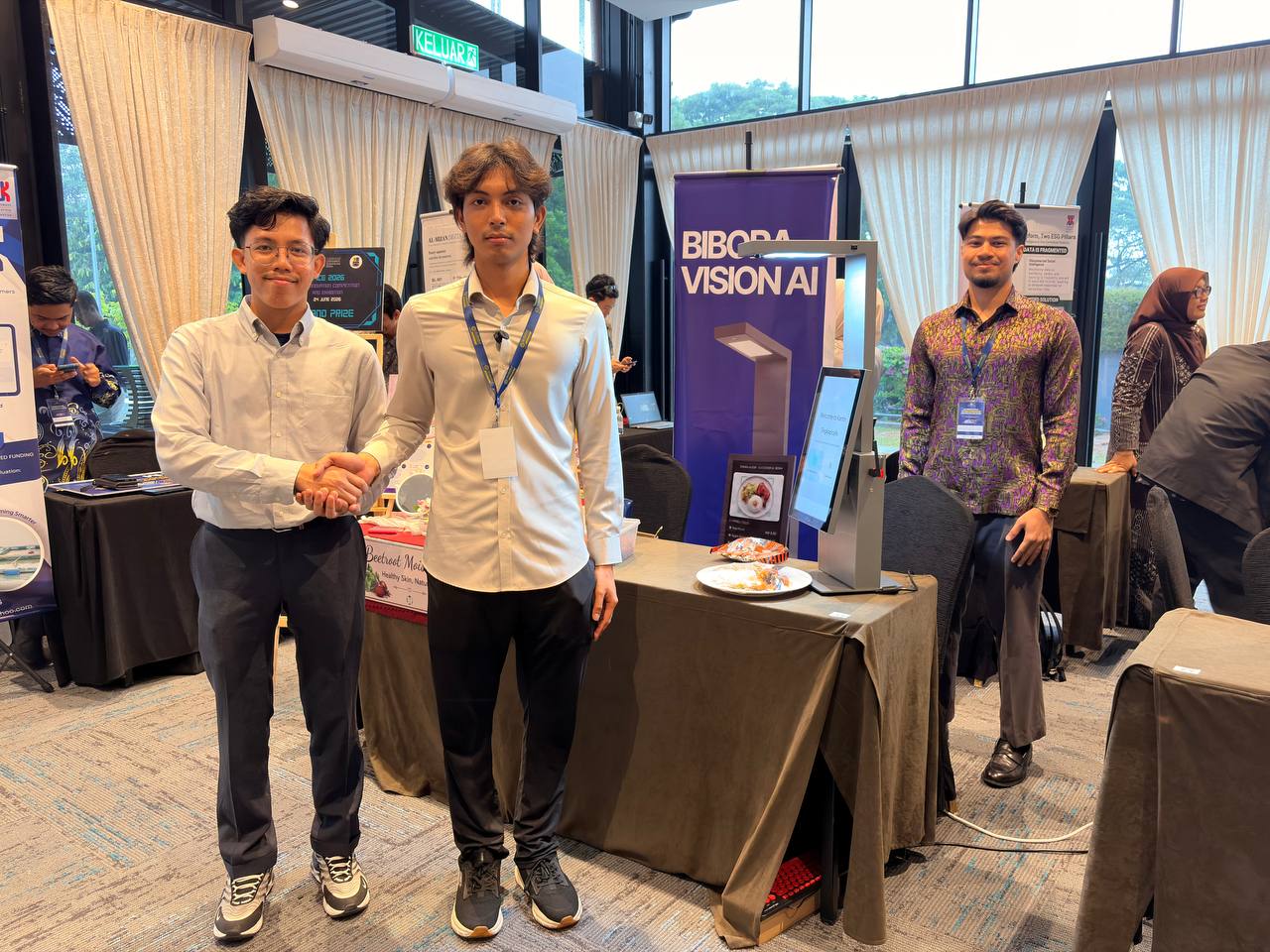
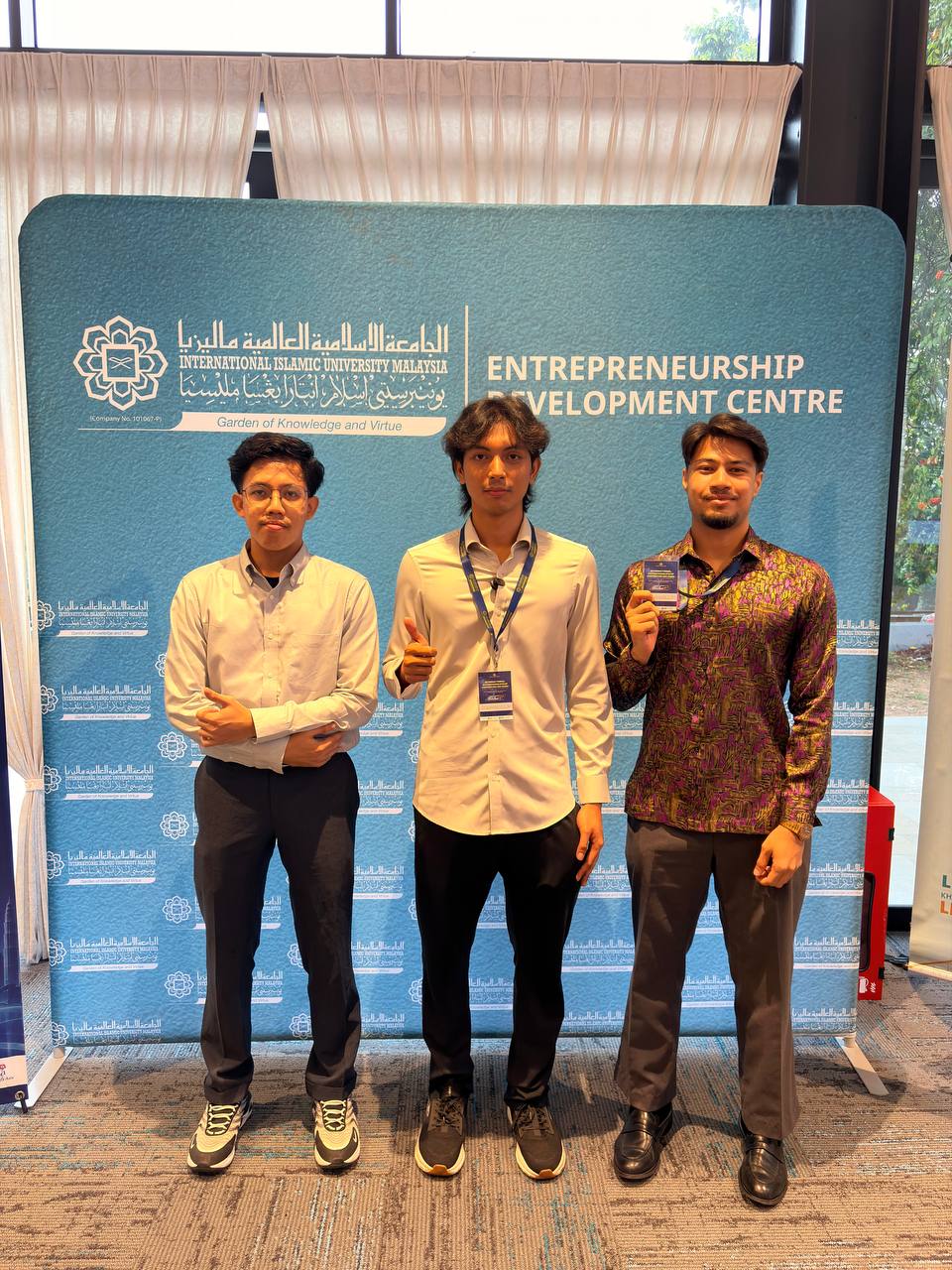
Beyond the Pitch: What IIUM’s IEC 2026 Taught Us About the Real Future of Bibora Vision AI
Reflections from the Glass Hall at Pulse Grand Hotel after pitching Bibora Vision AI at IIUM’s Entrepreneurship & Innovation Challenge (IEC 2026).
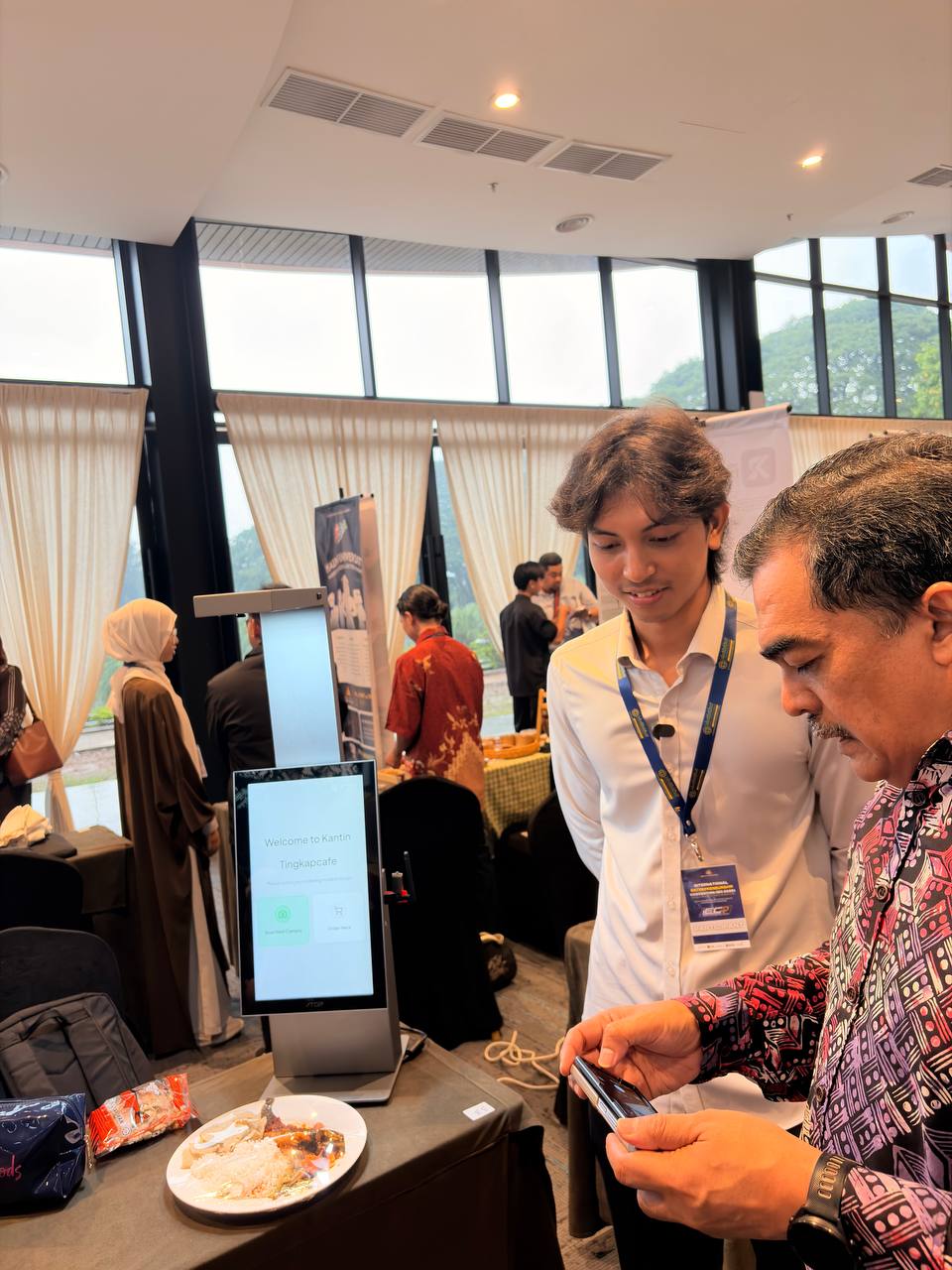
Yesterday marked the close of the IIUM Entrepreneurship & Innovation Challenge (IEC 2026). Gathered inside the Glass Hall at Pulse Grand Hotel, Presint 1, Putrajaya, the setting felt appropriately high-stakes—panoramic glass walls surrounding days of intensive pitching, business model breakdowns, and sharp critiques from judges, mentors, and fellow founders.
Yet, looking out across the room after our turn under the lights, one reality hit harder than any slide deck: an idea is only as good as the friction it removes in the real world.
When we stepped up to the stage in the Glass Hall to showcase Bibora Vision AI, we brought more than tech buzzwords. We brought a concrete answer to a daily Malaysian headache that every student, worker, and cafeteria operator knows intimately: the dreaded 12:30 PM Nasi Campur bottleneck.
However, the defining lesson of the competition didn't come from the elegance of our slides. It came from a humbling moment during the Q&A.
When Passion Crosses into the Offensive
Every founder falls in love with their problem. When you spend months engineering edge pipelines, tuning computer vision models, and obsessing over sub-three-second transaction speeds, you naturally become fiercely protective of the solution.
During our pitch, that conviction tipped over into stubbornness.
When the judges pushed back, expressing deep skepticism about whether traditional, cash-heavy Nasi Campur stalls would ever adopt high-tech hardware, we didn't just defend our thesis—we went on the offensive. We fought too aggressively to prove that we were right and the panel was wrong.
The shift in the room was palpable, and the judges visibly noticed our combative posture. Instead of receiving their pushback as valuable market signal, we treated it like a debate to be won. At one point, watching the tension escalate across the table, I reached for a piece of paper, ready to slide a note to my teammate with five words:
"Just say thank you."
The Art of Staying Silent
That moment on the Glass Hall floor was our sharpest learning curve of IEC 2026.
In startup pitching, you cannot bludgeon an audience into belief. A pitch is not a courtroom trial where you cross-examine the panel until they submit. Sometimes, the most mature, strategic response to pushback—even pushback questioning whether local hawkers want technology at all—is simply to listen, stay silent, take the note, and say:
"Thank you for the feedback. We will factor that into our rollout."
Arguing on stage does not prove product-market fit; operational execution does. If a judge or an operator doubts that a traditional stall will embrace automated food scanners, debating them under stage lights changes nothing. The only answer that carries weight is placing a kiosk inside a bustling cafeteria, clearing 200 plates in the middle of a lunch rush, and letting throughput prove the case.
Why Nasi Campur Remains the Ultimate Stress Test
Despite the friction during Q&A, the fundamental market friction we are tackling remains wide open.
Off-the-shelf Western checkout systems fail in Southeast Asian eateries because they depend entirely on standardized barcodes. A cafeteria tray with rice, telur masin, sayur kangkung, and kuah campur defies conventional retail logic. For decades, the entire throughput of a cafeteria has depended on a cashier visually sizing up portions and hand-punching prices on a register—burning 20 to 45 seconds per diner while the queue backs out the door.
Bibora Vision AI exists to compress that bottleneck into a seamless, sub-three-second scan. Customers slide their plate under the camera, our computer vision pipeline identifies items and tallies the total automatically, and the diner pays via DuitNow QR or card.
The resistance highlighted by the judges isn't a dead end; it is our primary design constraint. It means the kiosk must be so intuitive, fast, and operationally painless that even the most tech-hesitant vendor sees immediate queue relief without touching complicated software.
Key Takeaways We’re Bringing Back to the Lab
Leaving Putrajaya after IEC 2026 gives us sharp priorities for the next iteration of Bibora Vision AI:
Ditch the Defensive Reflex: Every tough question is user research in disguise. Knowing when to hold our tongue and listen will serve us far better in business meetings than winning an on-stage argument.
Edge-First Reliability is Essential: Cafeterias during peak hours cannot afford cloud latency. Our kiosk architecture must handle image inference directly at the edge to guarantee immediate scans.
Frictionless Onboarding for Vendors: Stall operators want straightforward utility. Hardware must work out of the box, identify local dishes accurately, and settle daily accounts without maintenance friction.
Real Campus Validation: Events like IEC provide the ideal testing ground, but the actual proving ground is the cafeteria counter next door.
The Road Ahead
Competitions wind down, banners come down, and the Glass Hall at Pulse Grand Hotel clears out. But the real build begins the following morning.
IEC 2026 served as a needed mirror. We walked away with thicker skin, grounded business clarity, and an even stronger drive to fix long lines across Malaysia's dining spots.
To the panel that challenged our assumptions and reminded us to stay humble: thank you. The push toward zero-wait lunch lines continues, one plate at a time.
Semalam tamatlah cabaran keusahawanan dan inovasi IIUM (IEC 2026). Berkumpul ramai-ramai dalam Glass Hall kat Pulse Grand Hotel, Presint 1, Putrajaya, suasana memang rasa 'high-stakes' gila—dinding kaca panoramik mengelilingi berhari-hari sesi pitching sengit, bedah model bisnes, dan kritikan pedas daripada juri, mentor, serta para founders lain.
Tapi bila tengok sekeliling dewan lepas habis giliran kami atas pentas, ada satu hakikat yang menyentap kami lebih kuat daripada mana-mana slide deck: idea hebat macam mana pun, nilainya cuma pada sejauh mana ia dapat selesaikan masalah sebenar manusia kat luar sana.
Masa kami naik atas pentas Glass Hall untuk bentangkan Bibora Vision AI, kami bukan bawa buzzword teknologi semata-mata. Kami bawa solusi terus untuk sakit kepala harian rakyat Malaysia yang setiap pelajar, pekerja pejabat, dan pengusaha kafe faham sangat: kesesakan 'bottleneck' barisan Nasi Campur pukul 12:30 tengah hari.
Tapi kan, pengajaran terbesar kami kat pertandingan ni bukan datang daripada slide yang cantik. Ia datang daripada satu detik yang betul-betul ajar kami erti rendah diri masa sesi soal jawab (Q&A).
Bila Passion Berubah Jadi Terlalu Agresif Mempertahankan Diri
Bila jadi founder, kita memang akan jatuh cinta separuh mati dengan masalah yang kita cuba selesaikan. Bila dah berbulan-bulan hadap coding, tala model visi komputer, dan fikir cara nak buat kelajuan transaksi bawah 3 saat, automatik kita jadi terlebih 'protective' dengan solusi kita.
Masa pitching tu, keyakinan diri kami terlajak jadi keras kepala.
Bila barisan juri bagi soalan mencabar dan ragu-ragu sama ada kedai nasi campur tradisional yang biasa guna tunai nak ke pakai mesin canggih macam ni, kami bukan sekadar pertahankan idea—kami terus 'menyerang' balik. Kami cuba lawan hujah terlalu agresif semata-mata nak buktikan kami betul dan juri tu salah.
Suasana dalam dewan terus berubah tegang, dan juri jelas perasan cara kami yang agak defensif tu. Patutnya kami ambil kritikan dorang sebagai maklum balas pasaran yang berharga, tapi kami layan macam perdebatan yang kena dimenangi. Sampai satu tahap, tengok ketegangan makin memuncak, saya dah bersedia nak capai sekeping kertas untuk tolak nota kecil pada rakan sepasukan dengan lima patah perkataan:
"Cakap terima kasih je."
Seni Untuk Diam dan Mendengar
Detik di Glass Hall tu merupakan titik pembelajaran paling mahal untuk kami sepanjang IEC 2026.
Bila pitching startup, kita tak boleh paksa orang percaya dengan cara bertekak. Pitching bukan sesi mahkamah yang mana kita kena soal balas juri sampai dorang mengaku kalah. Kadang-kadang, tindakan paling matang dan bijak bila kena kritik—walaupun kritik tu tanya betul ke makcik pakcik gerai nak pakai teknologi—adalah dengan dengar elok-elok, simpan dalam kepala, dan cakap je:
"Terima kasih atas pandangan tuan/puan. Kami akan ambil kira perkara ni dalam perancangan pelancaran kami."
Berdebat atas pentas takkan buktikan yang produk kita ada 'product-market fit'. Yang buktikannya adalah pelaksanaan di dunia nyata. Kalau juri atau peniaga ragu-ragu kedai makan nak pakai scanner automatik, bertengkar bawah lampu pentas tak ubah apa-apa pun. Satu-satunya jawapan yang ada nilai ialah letak kiosk ni kat kafeteria yang sesak, imbas 200 pinggan masa puncak tengah hari, dan biar kelajuan sistem tu sendiri yang bercakap.
Kenapa Nasi Campur Kekal Jadi Ujian Paling Mencabar
Walaupun ada sikit geseran masa Q&A, masalah teras yang kami cuba selesaikan ni memang realiti.
Sistem bayaran dari negara barat susah nak pakai kat kedai makan Asia Tenggara sebab dorang bergantung 100% pada kod bar (barcode). Pinggan nasi campur dengan nasi, telur masin, sayur kangkung belacan, dan kuah campur banjir memang tak masuk akal dengan sistem retail biasa. Selama berdekad, kelajuan sesebuah kedai makan bergantung pada cashier yang kena belek pinggan, congak harga dalam kepala, dan tekan manual kat mesin—makan masa 20 hingga 45 saat untuk seorang pelanggan sampai barisan panjang melimpah keluar pintu.
Bibora Vision AI wujud untuk pendekkan masa menunggu tu jadi imbasan bawah 3 saat je. Pelanggan cuma letak pinggan bawah kamera, sistem visi komputer kami kenal pasti lauk dan kira total secara automatik, lepas tu pelanggan terus imbas DuitNow QR atau kad.
Keraguan yang juri bangkitkan tu bukan jalan mati; ia adalah panduan reka bentuk utama kami. Maksudnya, kiosk ni kena dibina supaya senang sangat nak pakai, laju, dan peniaga yang tak reti IT pun boleh rasa lega sebab tak payah pening kepala sentuh software rumit.
Pengajaran Utama Yang Kami Bawa Balik ke Makmal
Lepas balik dari Putrajaya, ini perkara penting yang kami nak fokus untuk versi Bibora Vision AI seterusnya:
Buang Rasa Cepat Terasa / Defensif: Setiap soalan pedas sebenarnya adalah kajian pengguna percuma. Tahu bila masa nak diam dan dengar jauh lebih berguna dalam dunia bisnes berbanding menang hujah atas pentas.
Sistem 'Edge' Yang Laju Wajib Ada: Kedai makan waktu sesak tak boleh harapkan internet cloud yang lambat. Pemprosesan AI kena berlaku terus pada mesin secara lokal supaya imbasan laju tanpa sangkut.
Setup Yang Mudah Untuk Peniaga: Tauke kedai nak benda yang senang. Mesin kena terus berfungsi lepas pasang (plug & play), kenal lauk tempatan dengan tepat, dan kira penyata harian tanpa pening kepala.
Pengujian Nyata di Kampus: Acara macam IEC memang seronok untuk uji idea, tapi tempat ujian sebenar adalah kat kaunter kafeteria sebelah dewan tu.
Langkah Seterusnya
Bila pertandingan dah habis, banner dah turun, dan Glass Hall kat Pulse Grand Hotel pun dah kosong, kerja sebenar baru bermula esok paginya.
IEC 2026 jadi cermin yang baik untuk kami. Kami balik dengan hati yang lebih kental, arah tuju bisnes yang lebih jelas, dan semangat membara nak selesaikan masalah beratur panjang kat kedai-kedai makan Malaysia.
Kepada para juri yang mencabar kami dan ingatkan kami supaya sentiasa berpijak di bumi nyata: terima kasih banyak. Usaha ke arah sifar masa menunggu di kaunter bayaran diteruskan, satu pinggan demi satu pinggan.
AI Solution
October 5, 2026 4 min read
Why Your Cafeteria Checkout is Secretly Losing an F1 Race at Sepang
Discover how running a high-volume F&B self-checkout system mirrors an F1 pit stop at Sepang, and how computer vision eliminates peak-hour latency.
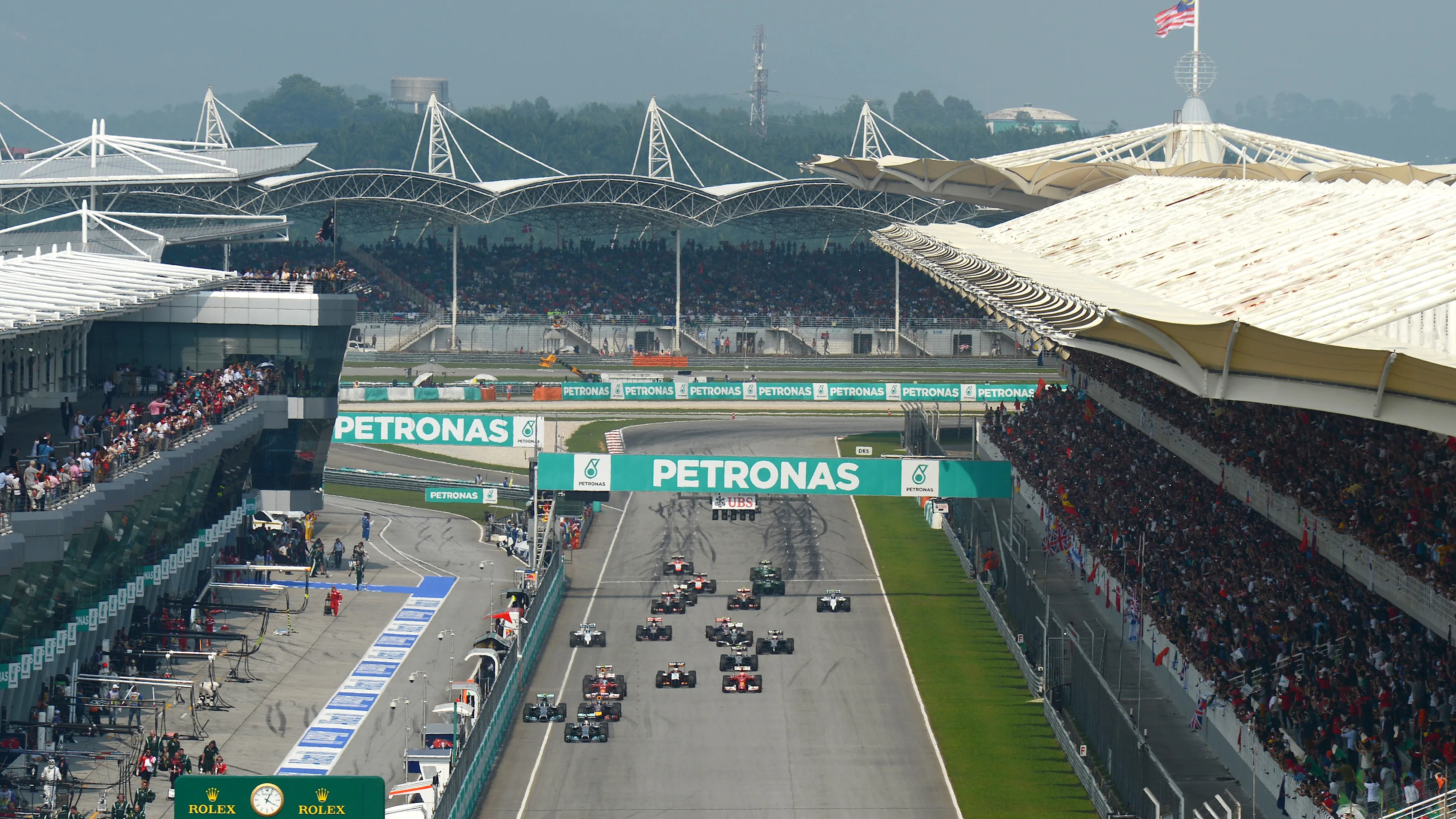
When trackside action takes over the Sepang International Circuit, the attention usually centers on 1,000-horsepower engines, radical aerodynamics, and drivers pulling 5G through Turn 15. But peel back the spectacle, and Formula 1 is not really a sport about cars. It is a masterclass in extreme data engineering, throughput optimization, and eliminating wasted milliseconds.
Strangely enough, that is identical to the daily battle happening across campus cafeterias, office food courts, and self-service lunch lines every single afternoon.
"If you run an F&B business, your real competitor is not the stall next door. Your real enemy is latency."
Here is what running a high-volume point-of-sale system has in common with a grand prix at Sepang—and how computer vision is fixing the biggest bottleneck on the track.
The Checkout Counter is a 2.0-Second Pit Stop
In modern motorsport, a routine four-tyre pit stop takes around two seconds flat. If a wheel nut sticks and the crew takes 4.5 seconds, the driver drops three track positions. The strategy unravels instantly.
In an F&B outlet or busy cafeteria, the counter is the pit lane.
When a hungry customer steps up to pay, every friction point extends their stop. A sluggish touchscreen, a lagging card terminal, or manual price guessing feels agonizing. Shaving seconds off individual stops turns an overwhelmed queue into a continuous, steady flow. In both arenas, cycle time determines whether you clear the grid or trigger a pileup.
The Nasi Campur Problem: When the Pit Crew Freezes
Now look at the quintessential Malaysian food line: Nasi Campur.
Unlike buying a can of soda with a standardized barcode, every single plate of Nasi Campur is custom-built. One plate has half a scoop of rice with ayam goreng, sambal sotong, and sayur kangkung; the next has kuah campur, telur masin, and ikan keli.
Traditionally, the cashier has to visually inspect the plate, manually decipher the portions, calculate the total price in their head, and punch in individual line items on a keypad. That process takes anywhere from 20 to 45 seconds per diner. During a 12:30 PM lunch rush with 60 students or office workers waiting in line, the counter turns into a massive multi-car gridlock. The queue spills out the door, food goes cold, and hungry diners walk away.
Bibora Vision AI: Turning Food Scanning into Telemetry
This is where Bibora Vision AI steps onto the pit wall.
Instead of relying on human guesswork and slow keyboard inputs, Bibora Vision AI uses real-time computer vision hardware right at the self-checkout scanner. The diner simply slides their tray or plate under the camera. In a fraction of a second, the AI vision model detects and classifies the items on the plate—differentiating the ayam goreng from the ikan bakar, factoring in portion variables, and populating the itemized bill automatically.
The result? The entire pricing and checkout process drops from 30 seconds down to under three seconds.
Diners tap their card or scan a DuitNow QR on the integrated terminal, grab their receipt, and clear the lane. Just like an F1 car bolting out of its pit box the moment the wheel guns disengage, the customer is through before the next plate even hits the tray guides.
Traffic Bottlenecks and Server Lag
When tens of thousands of fans pack the grandstands at Sepang, local cellular networks buckle under dense traffic. Teams cannot afford to wait on flaky cloud connections to read car sensors; critical computation happens directly at the edge on pit wall servers.
The same rule applies to peak lunch hours.
If a food scanner relies entirely on distant cloud API roundtrips for every plate detection, a spotty internet hiccup freezes the entire operation. Modern point-of-sale architecture demands edge inference, local caching, and resilient hardware interfaces. When the lunch rush hits, the software must process the image, detect the food items, execute payment, and sync state reliably without stalling.
Telemetry Beats Guesswork
An F1 car carries hundreds of onboard sensors monitoring tyre surface temperatures, brake wear, and fuel flow in real time. Race strategists do not wait for the car to limp back to the paddock to realize a tyre is blistering; they spot the trend laps in advance.
A computer-vision-powered POS setup functions as kitchen telemetry.
Instead of waiting for closing time to tally cash registers, live dish detection streams operational data straight to kitchen managers. You see which dishes are burning out faster than kitchen prep speed, track real-time revenue per minute, and balance self-checkout lanes dynamically before customer patience runs out.
The Finish Line
Next time you watch a pit crew pull off a sub-two-second tyre swap on pit lane, take notes. They achieved that speed by stripping away every redundant motion, training for precision, and automating the friction points.
Whether you are managing race pace on the asphalt at Sepang or deploying Bibora Vision AI across a bustling cafeteria line, the objective never changes: reduce drag, eliminate latency, and never let the machine stall under pressure.
Bila ada perlumbaan kat Litar Antarabangsa Sepang, ramai orang tengok enjin 1,000 kuasa kuda, aerodinamik canggih, dan pemandu yang tahan daya 5G kat selekoh. Tapi kalau tengok betul-betul, Formula 1 sebenarnya bukan pasal kereta semata-mata. Ia adalah contoh terbaik dalam kejuruteraan data ekstrem, kelajuan proses, dan cara buang masa yang terbazir walaupun sesaat.
Pelik tapi benar, situasi ni sebiji macam apa yang berlaku kat kafeteria kampus, medan selera pejabat, dan kedai nasi campur setiap hari waktu makan tengah hari.
"Kalau anda buat bisnes F&B, pesaing sebenar anda bukan gerai sebelah. Pesaing sebenar anda adalah masa menunggu yang lambat."
Jom tengok apa persamaan antara kaunter bayaran yang laju dengan perlumbaan F1 kat Sepang—dan macam mana teknologi visi AI selesaikan masalah beratur panjang ni.
Kaunter Bayaran Adalah 'Pit Stop' 2 Saat
Dalam sukan lumba moden, pertukaran empat tayar kat pit stop cuma ambil masa lebih kurang 2 saat flat. Kalau skru tayar tersangkut dan kru ambil masa 4.5 saat, kereta tu akan jatuh 3 kedudukan ke belakang. Strategi terus hancur.
Kat kedai makan atau kafeteria yang sesak, kaunter bayaran tu ibarat pit lane.
Bila pelanggan lapar sampai kat kaunter, setiap benda yang sangkut akan lambatkan giliran. Skrin sentuh yang lag, terminal kad lambat respons, atau juruwang dok congak harga dalam kepala memang buat orang rasa geram. Bila kita dapat jimat beberapa saat untuk setiap orang, barisan yang sesak terus jadi lancar. Kelajuan proses ni yang tentukan sama ada operasi anda jalan lancar atau beratur sampai sesak.
Dilema Nasi Campur: Bila Kru Pit Stop Kaku
Sekarang cuba bayangkan barisan Nasi Campur biasa kat Malaysia.
Tak macam beli air tin yang ada barcode, setiap pinggan nasi campur memang unik. Satu pinggan ada nasi separuh, ayam goreng, sambal sotong, dan sayur kangkung; pinggan sebelah pulak kuah campur banjir, telur masin, dan ikan keli.
Secara tradisional, juruwang kena belek pinggan tu, teka portion, kira jumlah harga dalam kepala, lepas tu tekan satu-satu kat mesin juruwang. Proses ni makan masa 20 ke 45 saat untuk seorang. Bayangkan masa kemuncak 12:30 tengah hari ada 60 orang beratur, kaunter terus jem teruk. Barisan panjang melimpah keluar, lauk jadi sejuk, dan orang yang lapar pun malas nak tunggu lalu pergi kedai lain.
Bibora Vision AI: Tukar Imbasan Lauk Jadi Sepantas Kilat
Kat sinilah Bibora Vision AI masuk bantu.
Daripada harapkan tekaan manusia dan tekan butang keyboard yang lambat, Bibora Vision AI gunakan kamera visi AI terus kat kiosk layan diri. Pelanggan cuma letak pinggan atau dulang bawah kamera. Dalam sekelip mata, model AI terus kesan dan kelaskan lauk atas pinggan tu—ia bezakan ayam goreng dengan ikan bakar, kira anggaran saiz lauk, dan keluarkan bil secara automatik.
Hasilnya? Keseluruhan proses pengiraan harga dan bayaran turun daripada 30 saat ke bawah 3 saat je.
Pelanggan cuma 'tap' kad atau imbas DuitNow QR kat terminal bersepadu, ambil resit, dan terus beredar. Sama macam kereta F1 yang terus pecut keluar dari pit sebaik kru lepaskan tayar, pelanggan dah selesai bayar sebelum pinggan seterusnya diletakkan.
Masalah Internet Lag dan Server Perlahan
Bila berpuluh ribu peminat penuhi litar Sepang, talian telefon biasanya jem teruk. Pasukan lumba tak boleh harapkan sambungan internet cloud yang lambat untuk baca sensor kereta; semua pengiraan kritikal dibuat terus kat server tepi litar (edge).
Perkara sama berlaku masa waktu makan tengah hari kat kedai makan.
Kalau mesin scanner kena hantar gambar ke server cloud jauh di luar negara untuk setiap pinggan, bila internet sangkut sikit je, seluruh kedai terus terhenti. Sistem kaunter moden perlukan pemprosesan lokal (edge computing) yang stabil. Bila waktu puncak tiba, mesin mesti terus kesan lauk, buat bayaran, dan kemas kini data tanpa tersekat-sekat.
Data Jelas Kalahkan Tekaan
Kereta F1 ada beratus sensor yang pantau suhu tayar, brek, dan aliran minyak secara masa nyata (real-time). Pasukan tak tunggu kereta rosak baru nak tahu tayar bermasalah; dorang dah nampak dari awal.
Kiosk imbasan visi komputer ni bertindak sebagai 'telemetri' untuk dapur anda.
Daripada tunggu kedai tutup baru nak kira duit dalam laci, imbasan lauk pintar hantar data jualan terus kepada pengurus dapur. Anda boleh tahu lauk mana yang habis cepat sebelum sempat masak lagi, pantau pendapatan masa nyata setiap minit, dan uruskan barisan sebelum pelanggan hilang sabar.
Garisan Penamat
Lain kali kalau tengok kru pit F1 tukar tayar bawah 2 saat, cuba perhatikan. Dorang capai kelajuan tu sebab dorang buang semua pergerakan yang tak perlu, latih ketepatan, dan automatikkan mana yang boleh.
Sama ada anda urus kelajuan jentera atas litar Sepang ataupun pasang Bibora Vision AI kat kafeteria yang sibuk, matlamatnya tetap sama: kurangkan rintangan, hapuskan kelewatan, dan pastikan operasi berjalan lancar tanpa henti.
AI Solution
October 4, 2026 3 min read
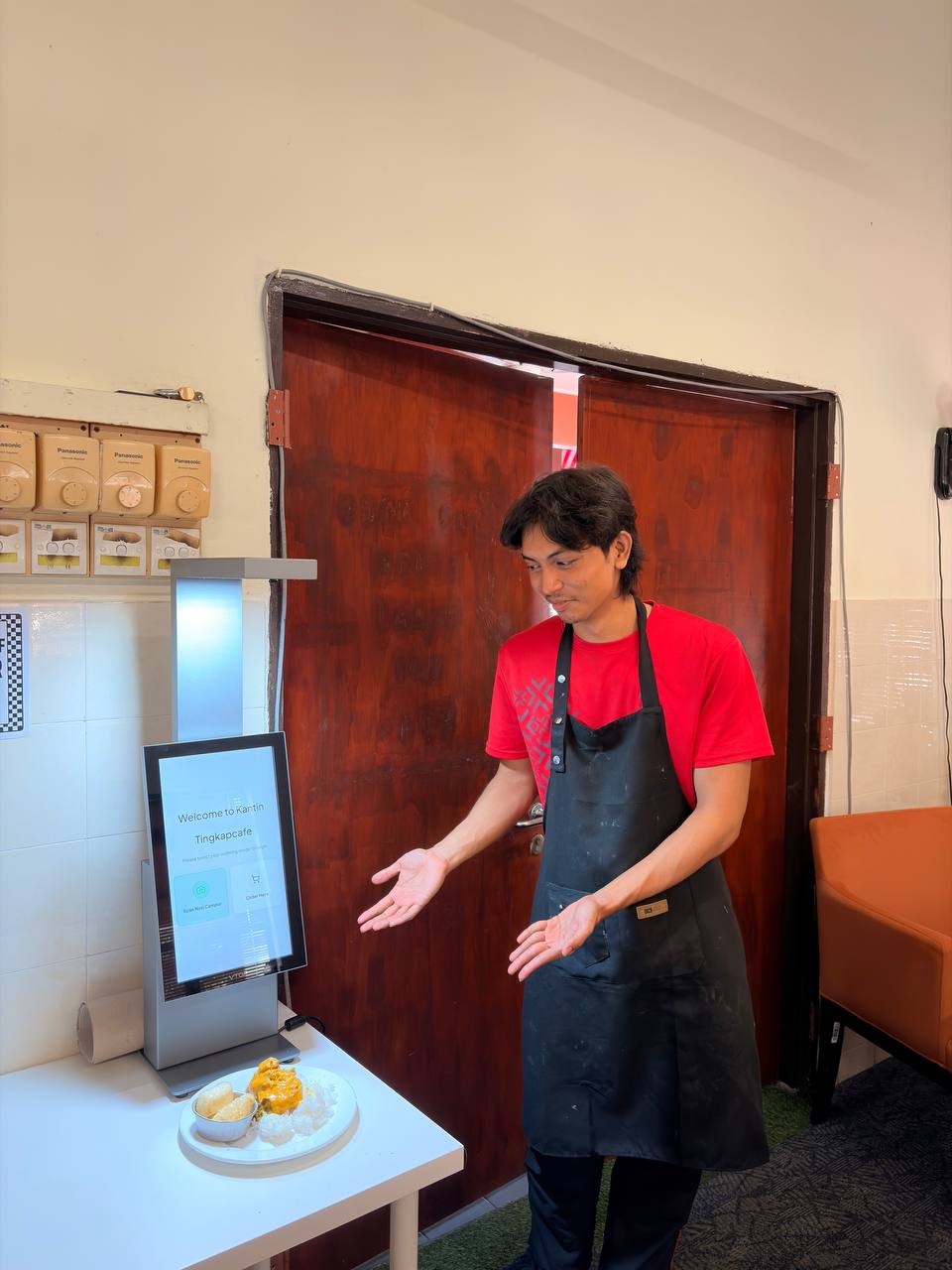
Pilot Testing Bibora Vision AI Kiosk at Kantin Guru SK Presint 11 (2) Putrajaya
Bibora Vision AI is currently undergoing real-world pilot testing at Kantin Guru SK Presint 11 (2) Putrajaya, achieving an impressive 82% recognition accuracy for complex Nasi Campur dishes.
Real-World Deployment at SK Presint 11 (2) Putrajaya
Bibora Vision AI has officially kicked off pilot testing at Kantin Guru (Teachers Canteen), SK Presint 11 (2) Putrajaya. This real-world deployment marks a significant milestone in bringing AI-powered visual self-checkout to school and canteen environments.
"Bibora Vision AI is currently pilot testing at Kantin Guru SK Presint 11 (2) Putrajaya, achieving 82% accuracy in scanning and identifying complex Nasi Campur plates in real time."
Why Nasi Campur Presents a Unique AI Challenge
Nasi Campur is notorious for being one of the hardest food categories for traditional automated billing. Dishes feature overlapping curries, varying gravy density (kuah banjir), and different portion cuts of chicken, fish, and vegetables placed closely together on a single plate.
Despite these visual complexities, our overhead computer vision model is already achieving 82% accuracy in identifying distinct dishes and portion sizes during peak lunch hours.
Key Highlights of the Pilot Test
Location: Kantin Guru, SK Presint 11 (2) Putrajaya
Current Recognition Accuracy: 82% (and continuously improving with daily model training)
Primary Dish Focus: Nasi Campur, side dishes, traditional curries, and beverages
Target Outcome: Drastically reduce queue times for teachers during short break intervals so they can spend more time resting and preparing for classes.
Step-by-Step AI Scanning Process
Plate Placement: Teachers place their Nasi Campur plate directly under the Bibora Vision AI kiosk's overhead camera.
Instant Instance Segmentation: The camera captures the plate visual and runs neural network instance segmentation to detect rice, gravies, meats, and vegetables.
Itemized Billing & Pricing: The kiosk calculates the exact bill based on detected dishes and displays the total in under 1 second.
Cashless Checkout: Teachers scan and pay instantly using DuitNow QR or e-wallets, completing checkout in seconds.
Next Steps and Model Optimization
With active data ingestion from Kantin Guru SK Presint 11 (2), our deep learning model receives continuous dataset updates daily. As more plate variations are scanned, the neural network's confidence score continues to rise toward our target 99%+ accuracy threshold across all Malaysian canteen menus.
Ujian Sebenar di Kantin Guru SK Presint 11 (2) Putrajaya
Bibora Vision AI secara rasminya telah memulakan ujian rintis di Kantin Guru, SK Presint 11 (2) Putrajaya. Ujian di lokasi sebenar ini adalah langkah penting untuk membawakan sistem bayaran layan diri berasaskan visi AI ke persekitaran sekolah dan kafeteria.
"Bibora Vision AI kini sedang menjalani ujian rintis di Kantin Guru SK Presint 11 (2) Putrajaya, mencatatkan ketepatan 82% dalam mengimbas dan mengecam pinggan Nasi Campur pelbagai lauk secara langsung."
Kenapa Nasi Campur Sangat Mencabar Untuk AI?
Nasi Campur terkenal sebagai salah satu kategori makanan yang paling susah untuk sistem bil automatik biasa. Pinggan selalunya penuh dengan kuah bertindih, kuah banjir campur-campur, serta potongan ayam, ikan, dan sayur yang diletakkan rapat-rapat atas satu pinggan.
Walaupun dengan cabaran visual macam tu, model visi komputer kami berjaya capai 82% ketepatan dalam mengecam lauk dan saiz hidangan waktu rehat tengah hari.
Perkara Utama Dari Ujian Rintis Ini
Lokasi: Kantin Guru, SK Presint 11 (2) Putrajaya
Ketepatan Pengecaman Semasa: 82% (dan makin meningkat dengan latihan model harian)
Fokus Menu Utama: Nasi Campur, lauk pauk sampingan, gulai tradisional, dan minuman
Matlamat Utama: Mengurangkan masa beratur para guru waktu rehat yang singkat supaya cikgu-cikgu ada lebih masa untuk berehat dan bersedia untuk kelas seterusnya.
Proses Imbasan AI Langkah Demi Langkah
Letak Pinggan: Guru meletakkan pinggan nasi campur terus di bawah kamera atas kiosk Bibora Vision AI.
Pengecaman Segera: Kamera menangkap imej pinggan dan menjalankan segmentasi AI untuk mengesan nasi, kuah, lauk daging/ayam, dan sayur-sayuran.
Pengiraan Bil Automatik: Kiosk mengira jumlah harga berdasarkan lauk yang dikesan dan paparkan bil dalam masa bawah 1 saat.
Bayaran Tanpa Tunai: Guru terus imbas bayar guna DuitNow QR atau e-wallet, selesai dalam beberapa saat sahaja.
Langkah Seterusnya dan Peningkatan Model
Dengan data sebenar yang dikumpul dari Kantin Guru SK Presint 11 (2), model deep learning kami dikemas kini setiap hari. Semakin banyak variasi pinggan yang diimbas, keyakinan sistem semakin meningkat menuju sasaran ketepatan 99%+ untuk semua menu kafeteria dan restoran di Malaysia.
AI Solution
August 24, 2026 4 min read
Revolutionizing Buffet Checkout: How Computer Vision Identifies Food in 1 Second
Exploring the engineering and deep learning models behind Bibora Vision AI's ability to segment and price overlapping food items instantly.
The Bottleneck at the Buffet Checkout
During peak hours in Malaysian and Southeast Asian cafeterias, the longest queues aren't formed at the serving counter, but rather at the cashier. Traditional checkout processes require cashiers to manually inspect a customer's plate, visually estimate the items (such as standard chicken portion sizes, varieties of curries, side vegetables), calculate the cost, and manually key it into a POS terminal. This estimation process takes anywhere between 15 and 30 seconds per plate and is prone to human error, inconsistency, and cash leakages.
"Our neural networks are specifically trained to identify localized, complex food items like Nasi Campur, Nasi Kandar, and Economy Rice within fractions of a second."
Enter Computer Vision and Instance Segmentation
Bibora Vision AI resolves this bottleneck using advanced visual recognition models. When a plate is placed under the kiosk's camera setup, the system doesn't just snap a simple image. It uses instance segmentation to detect and draw precise boundaries around every individual food item on the plate. This allows the system to distinguish between overlapping items—for example, fried chicken sitting on top of white rice, partially drizzled with sambal and curry sauce.
The core deep learning model is pre-trained on millions of food plates under varying lighting conditions. The system recognizes the food item (e.g., *ayam goreng*, *telur asin*, *sayur bayam*) and instantly queries the merchant's customized menu pricing database.
Estimating Portion Size Automatically
A major challenge in buffet checkout is portion pricing. If a customer takes a double portion of vegetables or a premium cut of fish, the price needs to reflect it. Bibora Vision AI uses volumetric heuristic modeling to approximate portion sizes. By analyzing the area density and visual markers, the AI can reliably distinguish between standard, small, or extra-large portions, ensuring accurate, transparent billing that protects both the merchant's margins and the customer's pockets.
Seamless Checkout Integration
Once the food items are scanned and calculated, the total price is sent instantly to the integrated payment gateway and POS system. Customers can confirm the itemized list on the kiosk display screen, choose a cashless payment option, pay, and receive their receipt—all in under 5 seconds. The F&B industry is evolving, and computer vision is leading the charge toward smarter, faster dining experiences.
POS Integration
August 18, 2026 3 min read
Streamlining Food Retail: Seamless POS Integration for Modern Cafeterias
A guide on how visual self-checkout systems seamlessly integrate with existing Point of Sale databases and kitchen display software.
Bridging the Gap Between AI and Restaurant Operations
Implementing visual recognition systems sounds high-tech, but if it doesn't talk to a restaurant's existing Point of Sale (POS) system, it creates operational friction. Modern cafeterias rely on POS databases to track inventory, reconcile cash drawer registers, compile tax files, and track daily sales targets. Recognizing this, Bibora Vision AI was designed from the ground up to operate not as an isolated kiosk, but as a fully integrated extension of the merchant's existing POS infrastructure.
Real-Time Sync via Local Network APIs
The communication between the Bibora kiosk and local POS servers occurs via robust, secure Local Area Network (LAN) protocols or cloud APIs. The moment the AI identifies the items on a client's plate, it sends an structured payload containing item IDs, customized price overrides, and tax details to the merchant's POS system. The POS logs this as an active order, updates the inventory list, and prepares the checkout transaction.
"Modern POS compatibility ensures that F&B business owners can introduce AI checkout kiosks without changing their existing back-office reporting software."
Why Unified Data Matters
By connecting the AI kiosk directly with the POS database, restaurant operators enjoy several distinct advantages:
Unified Reporting: Sales from visual kiosks, traditional cashiers, and online orders are consolidated into a single real-time dashboard.
Automated Menu Changes: Updating a dish price on the POS automatically pushes the change to the kiosk's AI engine instantly.
Waste Reduction: Real-time inventory tracking reveals which buffet dishes are selling fast and which are underperforming, enabling kitchens to optimize food prep volumes.
Conclusion
Adopting visual AI technology shouldn't force an F&B business to rebuild their administrative back-end. By leveraging seamless API connections, visual kiosks upgrade the front-of-house checkout speed while fully respecting the back-of-house workflows already in place.
Payment Gateways
August 10, 2026 3 min read
Cashless and Secure: The Future of E-Wallet and QR Code Payments in F&B
How visual self-checkout kiosks utilize integrated payment terminals to accept contactless, credit card, and DuitNow QR transactions instantly.
The Cashless Shift in Southeast Asia
F&B businesses across Malaysia, Singapore, and Indonesia have witnessed a drastic transition toward digital cashless payments. Driven by e-wallets, credit cards, and national QR schemes like DuitNow, customers are increasingly leaving physical cash behind. For high-volume establishments like buffet lunch halls and cafeterias, accepting digital payment is no longer optional—it is a critical requirement for maintaining high-speed checkouts.
Dynamic QR Code Generation
Bibora Vision AI speeds up digital transactions by generating a dynamic QR code directly on the kiosk's high-resolution display. Rather than displaying a static merchant QR code where the customer must manually input the ringgit amount (which causes entry errors and delays), the kiosk calculates the exact amount of the food plate and presents a pre-filled, secure dynamic DuitNow or e-wallet QR code. The customer simply opens their preferred app, scans the screen, and authorizes the payment.
"Dynamic QR codes prevent human input mistakes and guarantee that the amount paid matches the bill down to the last cent before triggering receipt printouts."
Integrated EDC Card Terminals
For customers who prefer tap-and-go credit/debit cards or Apple Pay, Bibora kiosks feature integrated Electronic Data Capture (EDC) terminals. These terminals communicate with major commercial banks and digital payment service providers via encrypted transaction layers, securing payments in less than two seconds. Transaction status is instantly validated in the kiosk backend, preventing queue holdups and ensuring staff don't have to verify payments on secondary screens.
Reducing Cash Management Vulnerabilities
By shifting to payment-gateway integrated kiosks, merchants mitigate risks such as cash discrepancy, drawer shortages, counterfeit bills, and the security liabilities of storing physical cash on-site. The F&B business becomes a automated, secure, and lightning-fast cashless machine.
 AI Solution